
Authors: Marta Curri, Claudia Pintore and Andrea Carlini

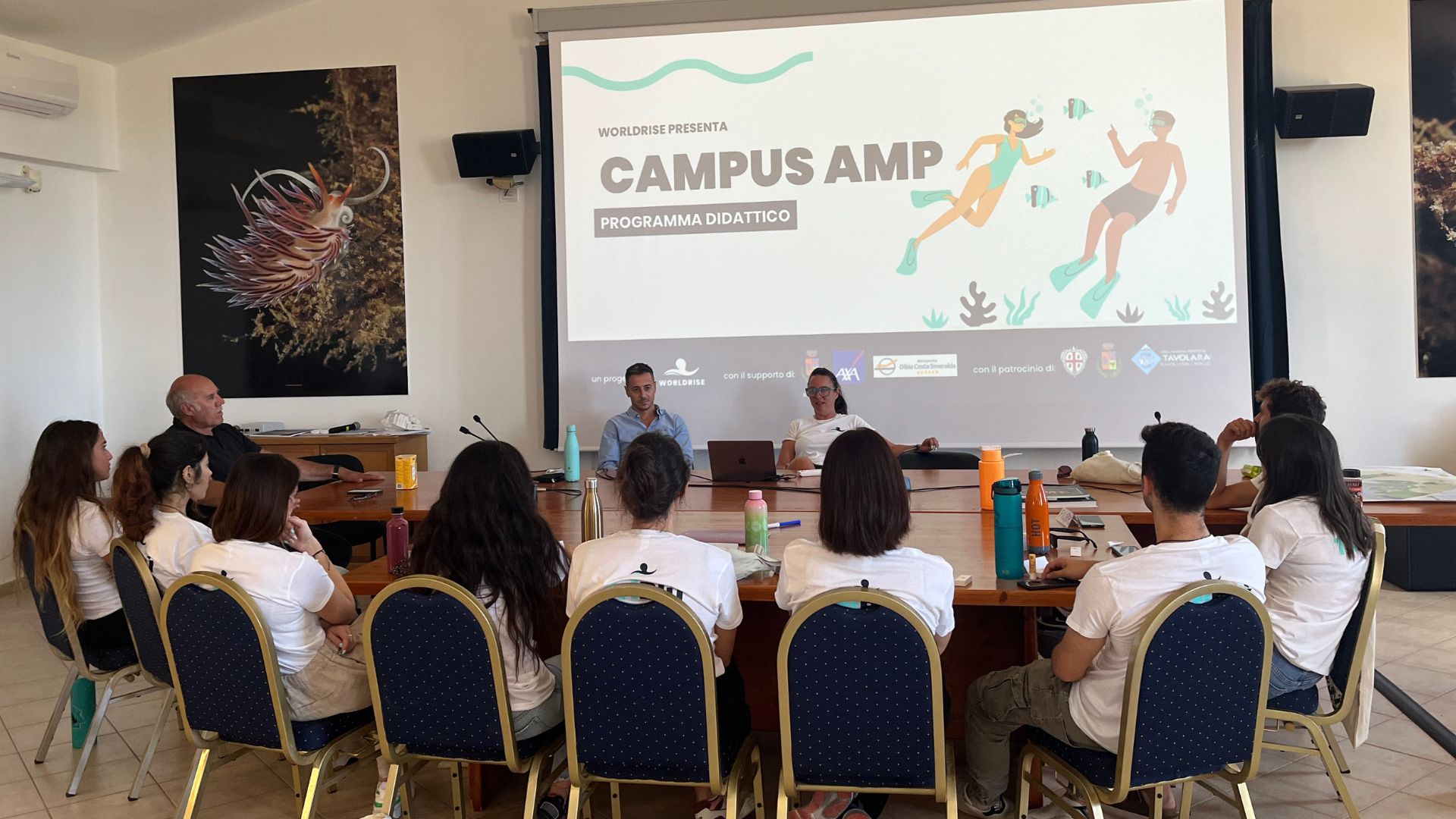
Throughout the week, we took part in an excursion on the Island of Molara, accompanied by Diego Gaia from the Molara Association who guided us through the nature and history of the site.
Through his stories, we were able to immerse ourselves in the lives of the shepherds who once populated the island, and imagine the importance of knowing how to sustainably use plants, winds, animals, and freshwater sources, which were essential for survival in this place suspended between sea and land. The perfect fusion of colors that frame the landscape—such as the crystal-clear blue of the sea, the pink and yellow of the house walls, the magenta and white of the flowers, and the various shades of green from all the plants—is what made me fall in love with the place.
While listening to the rustling of the wind in the trees, I felt a profound sense of peace. I realized that this place, surrounded by pure nature, lives between the past—with elements that silently reveal their importance—and the present, with people determined to preserve such a special and magical site. And it was precisely thanks to the magic of the place that I understood the value of our presence there that day. Through the visit to Molara Island, we learned the importance of Marine Protected Areas (MPAs) from a MPA itself, and the value of knowing and protecting sites like this; to encourage a (re)connection with the sea and nature and to support local initiatives committed to achieving goals close to ours.
My report of the MPAs Campus organized by Worldrise aimed to document and convey the beauty, magic, and vastness of the places we were fortunate enough to visit, and I hope I succeeded. The MPAs Campus was one of the most beautiful experiences I have ever participated in, and I will carry the memory of it in my heart forever.

One of the most memorable moments at the MPAs Campus was an evening dedicated to a scientific aperitif: an AperiScience held at AQA21 in Porto San Paolo, where we shared insights about our Blue Planet with locals and tourists.
Before a curious and attentive audience, we young participants had the chance to present five-minute talks, each of us highlighting an aspect of the Tavolara-Punta Coda Cavallo Marine Protected Area that had impacted us during the week.
Personally, I chose to dedicate my talk to the importance of the Tavolara Film Festival, an event that, for over 30 years, has transformed the island into a unique open-air theater where art and nature come together. With its exceptional setting and films often focused on sustainability themes, the festival serves as a megaphone, raising awareness about the need to protect our seas and biodiversity. Speaking about how cinema can engage people on these issues and describing screenings that celebrate the beauty and fragility of the Marine Protected Area was my way of demonstrating how art can be a powerful tool for education and outreach.
AperiScience was much more than a simple exchange of information. Not only did we put into practice the environmental communication skills taught in a recent lesson by marine biologist and Worldrise’s Communication & Social Media Manager, Aileen Roncoroni, but we also took a personal step forward, interacting with an engaged and participatory audience. That evening, we experienced the power of our words and the impact they can have when we share what we’re passionate about. It was a moment of personal and collective growth that made us feel part of a larger community committed to marine conservation. An unforgettable evening, where realizing the difference we can make through our words left a profound mark on each of us.
Besides conducting excursions immersed in the wonderful environment of Tavolara Marine Protected Area and attending essential lessons about the importance and techniques of environmental outreach, we directly experimented the most utilized Citizen science monitoring techniques for safeguarding the marine-coastal ecosystems on the field, under the guidance of a marine biologist with over 20 years of experience. Equipped with a mask, snorkel, suit, and fins, we dived into the water from the rubber dinghy to conduct the visual census: a method that concern note on a board by a pencil either the presence or absence of native and non-native (called alien) species and then evaluate the abundance. This methodology permits to assess and estimate the status of flora and fauna, obtaining fundamental data for monitoring and conservation plans of the marine ecosystem and its inhabitants.
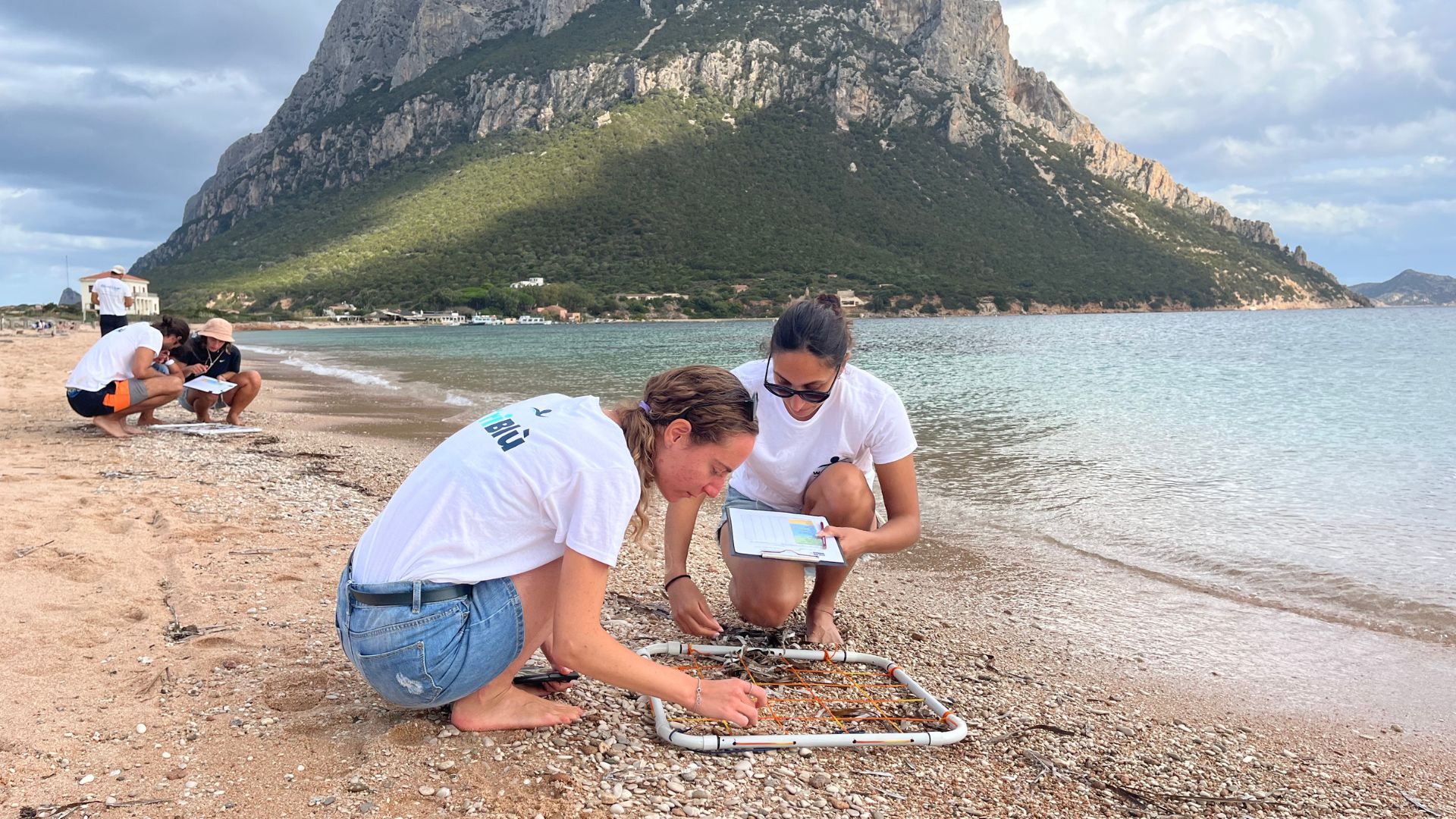
Furthermore, we delved into how the health status of Posidonia oceanica meadow is essential by counting the number of bundles of marine plants present per m² utilizing a predefinite size square. Eventually, following the MAC-E (emerged) protocol, established by Reef Check Italia Onlus, we conducted relief along the coastline to detect the beach litter transported ashore by swells, either if they are wastes of human origin or biological elements such as shells and P. oceanica leaves.
All of these activities have demonstrated to us how effortless it is to make the difference through activities such as Citizen science, including either marine or terrestrial monitoring techniques, which can be carried out even from non-scientific backgrounds, whether led by an expert. Indeed, these actions could be an effective and quite amusing way to engage locals and tourists to actively contribute to the research, raising awareness about the importance of safeguarding our natural heritage.
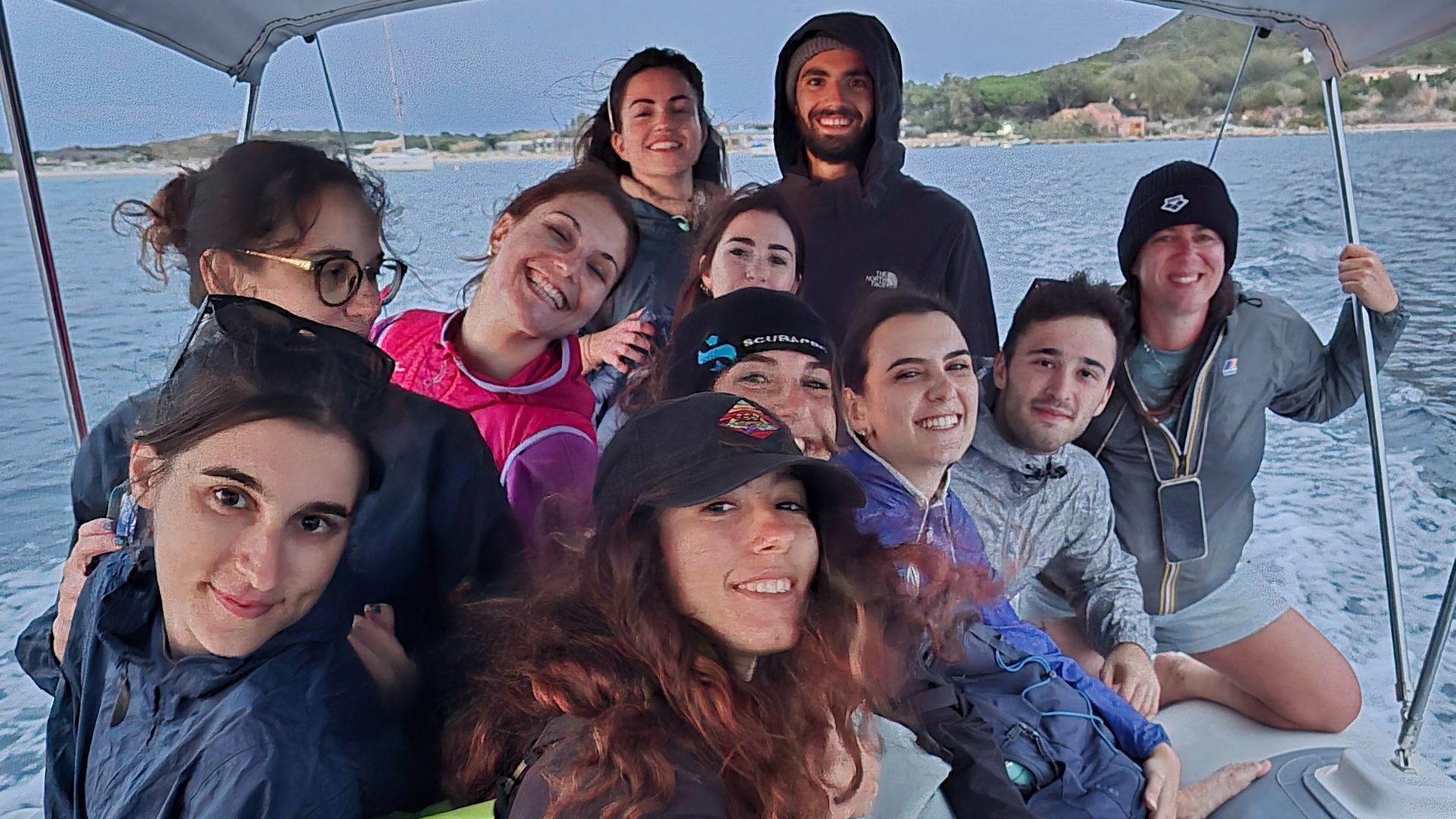
Beyond the various theoretical and practical experiences we had during the week, what made this camp special were the connections we formed. Each member of the group contributed uniquely to this journey, leading us to grow together. The main element that united us was our strong passion for the sea, and each person’s uniqueness created greater energy and motivation to take even more active steps for the protection of our ocean.
All of this was made possible thanks to the coordination of Cristina Fiori, with the support of Aileen Roncoroni and Annalisa Storari, whom we want to thank immensely for their patience and professionalism.
Salty greetings from the “Entropy” Triblue!

Ocean Facts
Author: Ingrid Ravasi

Blue Growth
Author: Ingrid Ravasi


Ocean Facts
Author: Sara Allahverdiyeva


Ocean Facts
Author: Sara Allahverdiyeva

