
The Pelagos Sanctuary is a transboundary Marine Protected Area, established through an international agreement between Italy, France, and the Principality of Monaco. Spanning nearly 90,000 km² of sea between Liguria, Provence, and northern Sardinia, its deep waters are home to an incredible variety of marine mammals. Thanks to particular currents, known as upwelling, which bring nutrients from the seabed to the surface, this area attracts all eight cetacean species regularly found in the Mediterranean… plus one special guest we’ll reveal shortly.

The Sanctuary’s goal is both clear and urgent: to protect these species from the growing direct and indirect pressures linked to human activities, through coordinated and concrete actions.
How? Through scientific research programs, public awareness campaigns, and institutional cooperation, which the three countries have jointly committed to since 2002.
At the heart of the Pelagos Sanctuary live some of the most fascinating marine species of the Mediterranean. One standout is the sperm whale, capable of diving to depths of 2,000 meters to hunt giant squid.
Dolphins are among the undisputed stars of the area: the bottlenose dolphin, which stays near the coast and is accustomed to human presence; the striped dolphin, often seen offshore in large groups; and the common dolphin, once widespread throughout the basin.
Swimming alongside them is the lesser-known long-finned pilot whale, recognizable by its large rounded head.

Photo by Pelagos Sanctuary
The Sanctuary’s special guest is the Mediterranean monk seal: once common along the Ligurian coast, it is now critically endangered. It is occasionally sighted thanks to non-invasive monitoring techniques, such as video cameras installed in sea caves and environmental DNA analysis.
Even in a protected area like the Pelagos Sanctuary, marine mammals face numerous pressures caused by human activities. These threats are often invisible, but they can have serious and lasting consequences.
One of the most insidious is noise pollution: maritime traffic, industrial activities, and underwater exploration produce continuous noise that interferes with the cetaceans’ echolocation, disorienting them and increasing the risk of strandings.
Equally concerning is plastic pollution, which directly affects the health of these animals. Ingested fragments can cause obstructions or malnutrition, while abandoned fishing nets—known as ghost nets—pose a serious risk of entanglement.
The Pelagos Sanctuary was created to counter these and other threats, but its effectiveness depends on the collaboration of everyone: institutions, local communities, marine operators, and informed citizens.
Since 2002, the Pelagos Agreement has united Italy, France, and the Principality of Monaco in a common mission: to ensure effective protection of marine mammals and their habitats through:
• scientific research programs to better understand the Sanctuary’s ecological dynamics;
• shared guidelines to reduce the impact of human activities like boating or fishing;
• education and awareness campaigns targeting citizens, tourists, and marine stakeholders;
• direct involvement of coastal municipalities, which play a key role in implementing protection measures locally.
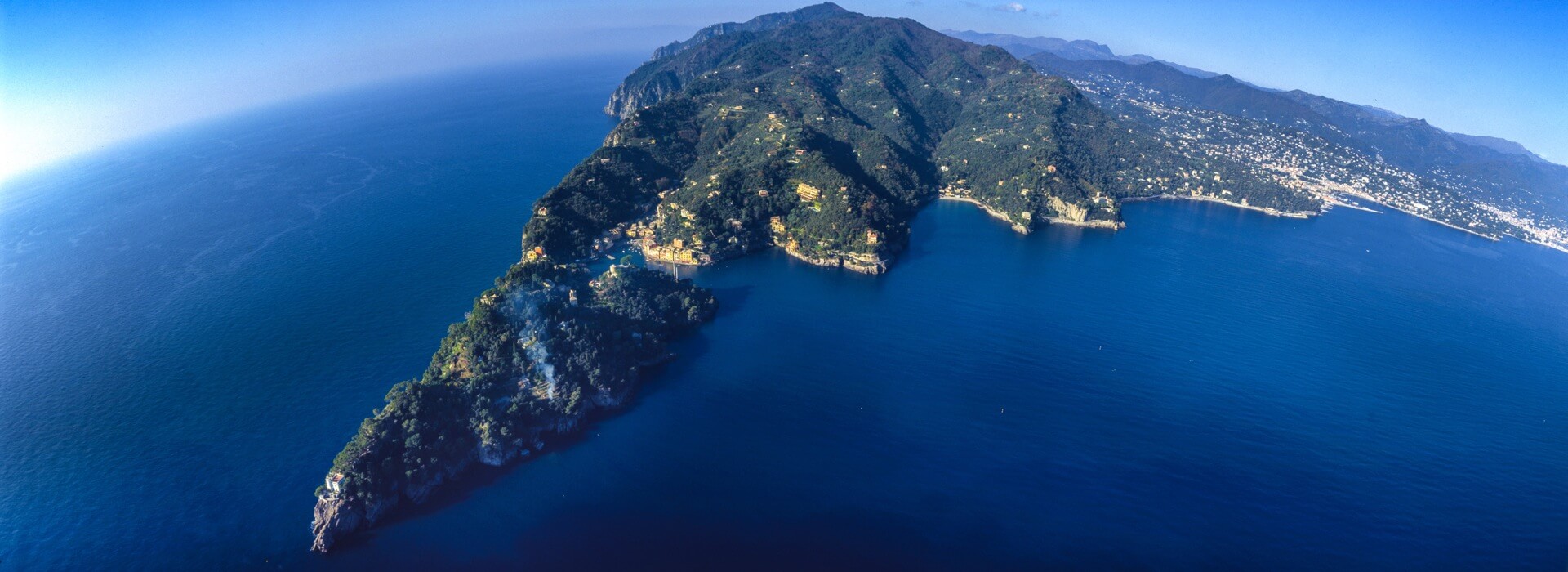
Photo by Portofino divers
Marine Protected Areas (MPAs) within the Sanctuary, such as the Portofino MPA, also play a key role. When these areas are managed sustainably, biodiversity and human activities can coexist in balance, generating biological, economic, and social benefits.
And each of us can contribute: living sustainably, respecting wildlife during marine sightings, and supporting conservation projects are small actions that help drive real change.
To raise awareness and actively engage students, citizens, and tourists in Genoa in protecting this underwater heritage, Pelagos in the City was created: a project promoted by the Environmental Education and Sustainability Center (CEAS) of the Municipality of Genoa, in collaboration with Worldrise and the Portofino Marine Protected Area.
Over 130 students from three high schools in Genoa took part in interactive lessons, field trips, and creative workshops to learn about the wonders and vulnerabilities of the Sanctuary and become true Pelagos Ambassadors.
The result? An urban itinerary made up of 10 stops across the Old Port and the historic center of Genoa, featuring informative panels with artworks, educational texts, and multimedia content.
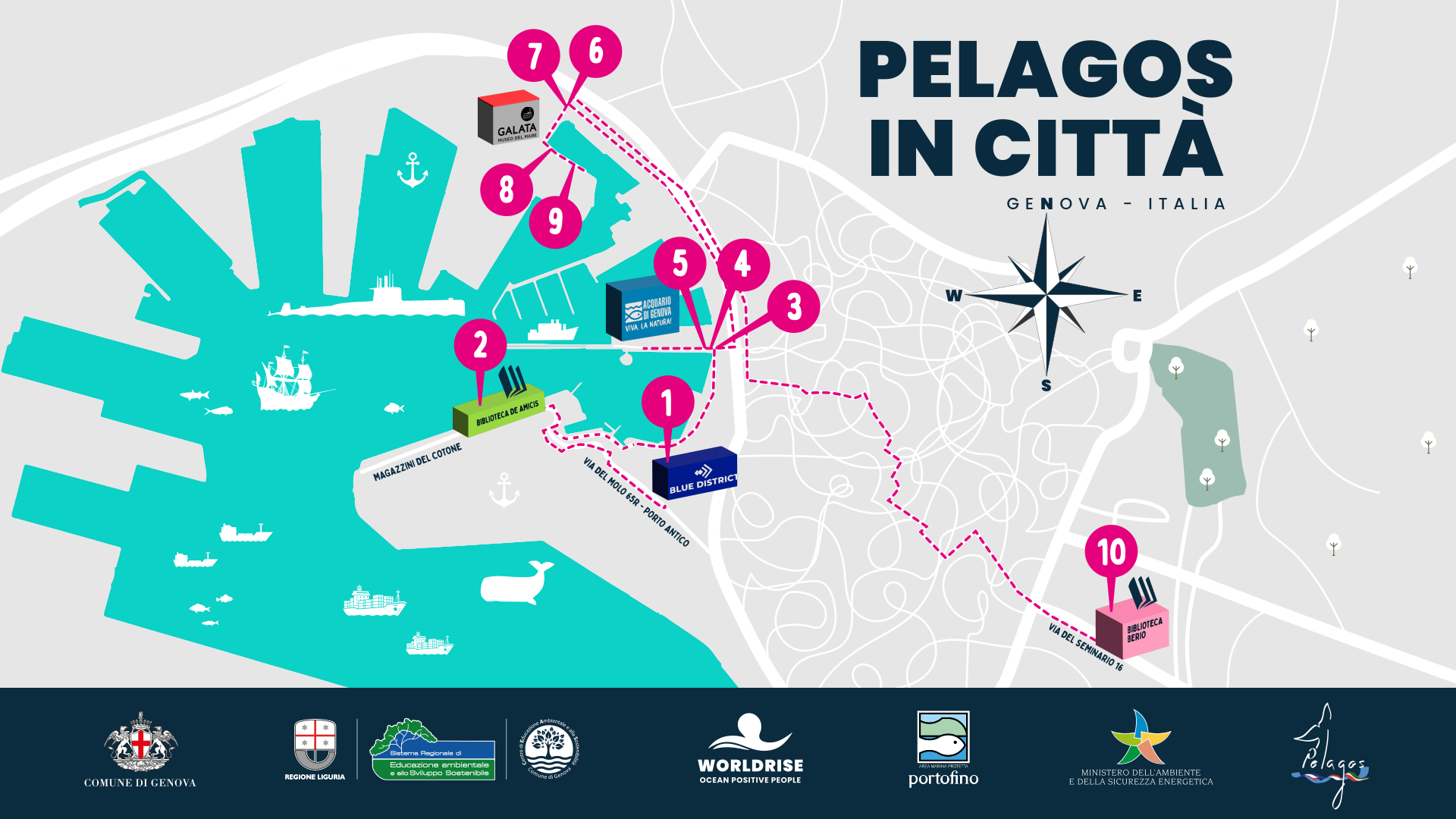
Each stop tells a story from the Pelagos Sanctuary: a marine wonder, a threat to tackle, or a solution to adopt—designed to inspire citizens and tourists toward greater awareness and concrete action.
You can explore the route online as well:
• https://pelagos-sanctuary.org/it/
• https://www.mase.gov.it/portale/accordo-pelagos-santuario-dei-mammiferi-marini-nel-mediterraneo
• https://tethys.org/activities-overview/public-awareness/conoscere-il-santuario-pelagos-e-i-cetacei-che-lo-abitano/
• https://www.portofinoamp.it/
• https://smart.comune.genova.it/contenuti/pelagos-città-un-percorso-di-scoperta-tra-arte-scienza-e-ambiente
• https://worldrise.org/it/progetti/proposte-educative/pelagos-in-citta/

Ocean Facts
Author: Ingrid Ravasi

Blue Growth
Author: Ingrid Ravasi


Ocean Facts
Author: Sara Allahverdiyeva

Ocean Facts
Author: Sara Allahverdiyeva

Lifestyle
Author: Sara Allahverdiyeva

Events
Authors: Marta Curri, Claudia Pintore and Andrea Carlini

