
Before exploring these incredible adaptations, it’s important to understand the crucial role that body temperature plays in an animal’s survival. To function properly, an organism must maintain its temperature within certain limits.
Animals that can regulate their body temperature internally, through metabolic activities, are called endotherms (endo = internal, thermo = temperature). Mammals and most birds fall into this category.
On the other hand, ectotherms (ecto = external, thermo = temperature), such as fish and reptiles, rely entirely on the external environment to regulate their body temperature. This distinction is key to understanding these organisms’ different strategies to survive in cold environments.
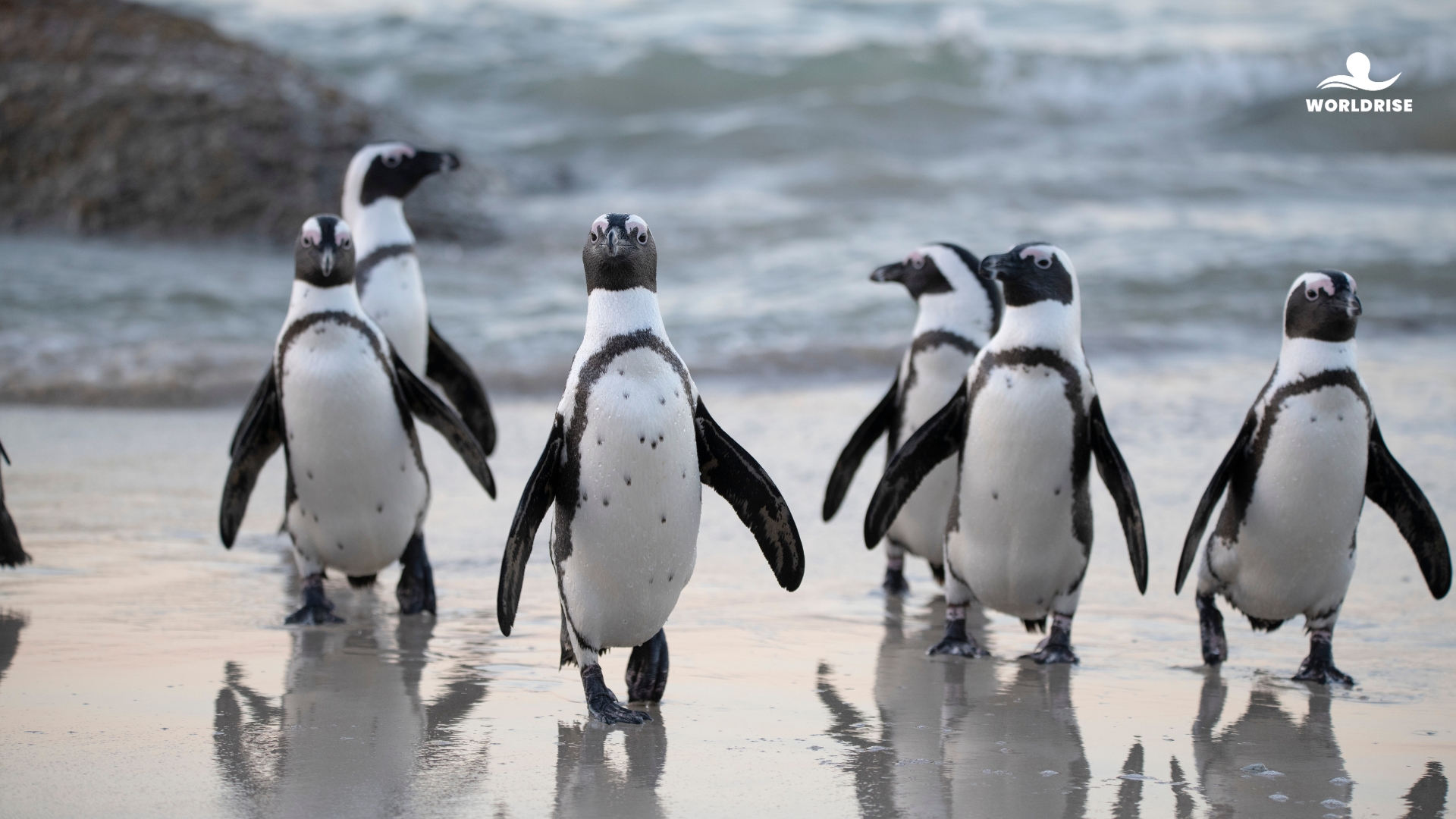
Foto via Canva
Marine mammals are at high risk of heat loss because water conducts heat about 25 times faster than air. This means that an organism can cool rapidly when submerged. However, thanks to a series of mechanisms that limit heat loss, these animals can maintain their body temperature between 35°C and 38°C.
Sea otters, for example, retain heat through an incredibly dense fur that traps a layer of air close to the skin. This layer of air acts as an insulating cushion, protecting the animal from freezing water and keeping its skin dry.
Other marine mammals, such as whales, have replaced fur with a layer of subcutaneous fat called blubber, which provides excellent thermal insulation. When diving in cold waters, the blood vessels in the blubber constrict, reducing heat loss and helping these animals maintain a stable body temperature.
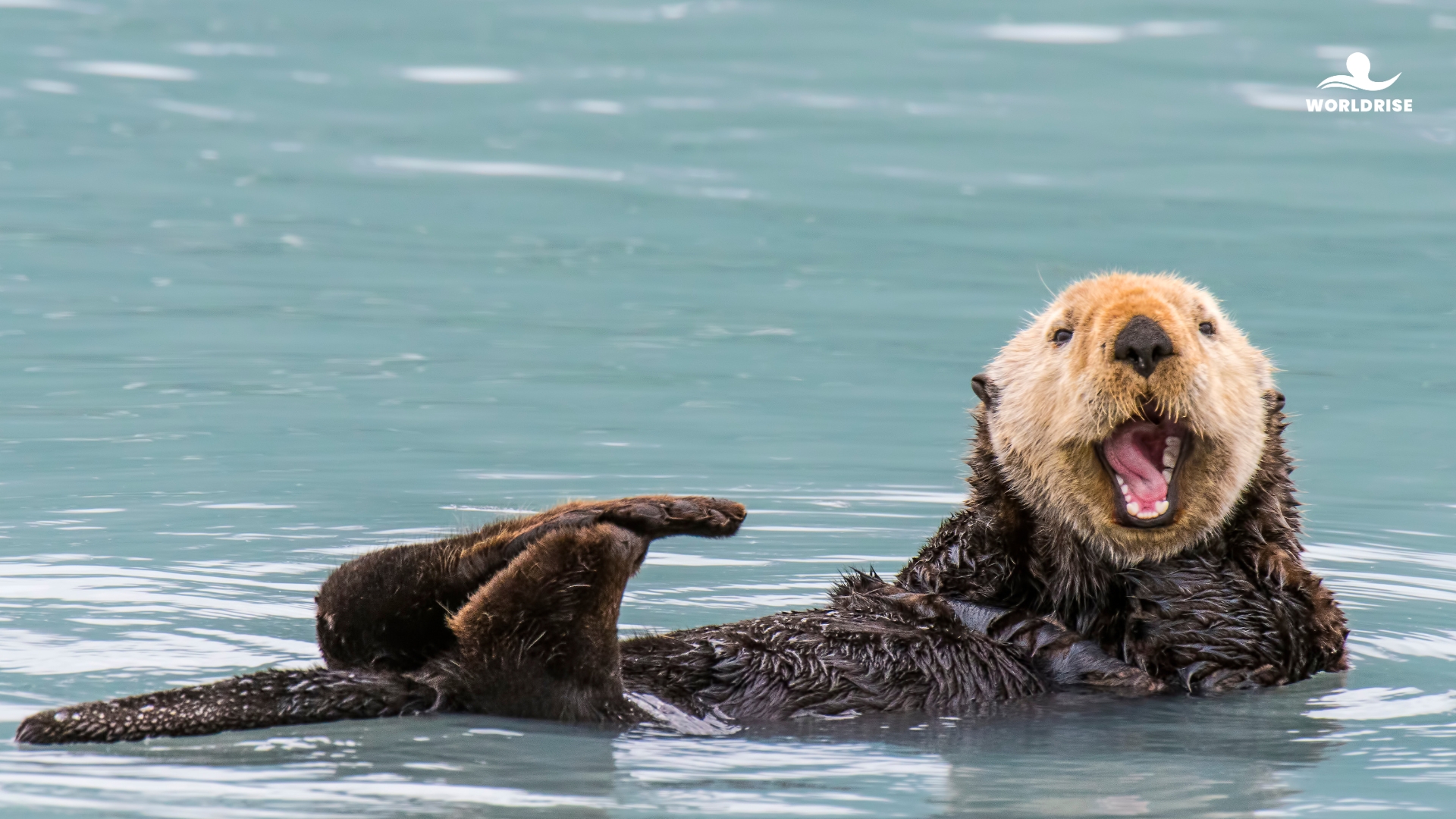
Photo via Canva
For ectotherms, which cannot regulate their body temperature internally, freezing is a serious threat because ice crystals can damage cells. To protect themselves from this risk, some fish, like those in polar regions, produce special antifreeze proteins that circulate in their blood and body fluids.
These proteins bind to tiny ice crystals, preventing them from growing and protecting the cells from freezing damage. Antifreeze proteins lower the freezing point of body fluids, providing effective protection in waters where temperatures can drop to -1.9°C in winter.
Another interesting strategy used by some fish is winter dormancy, a reversible state of inactivity in which metabolism and physical activity are drastically reduced. This phenomenon has been observed in several temperate fish species, such as the American eel (Anguilla rostrata) and the brown bullhead (Ameiurus nebulosus), which fast and remain buried in the substrate during the colder months. Many fish in the Centrarchidae family also reduce their activity and food intake when temperatures drop.
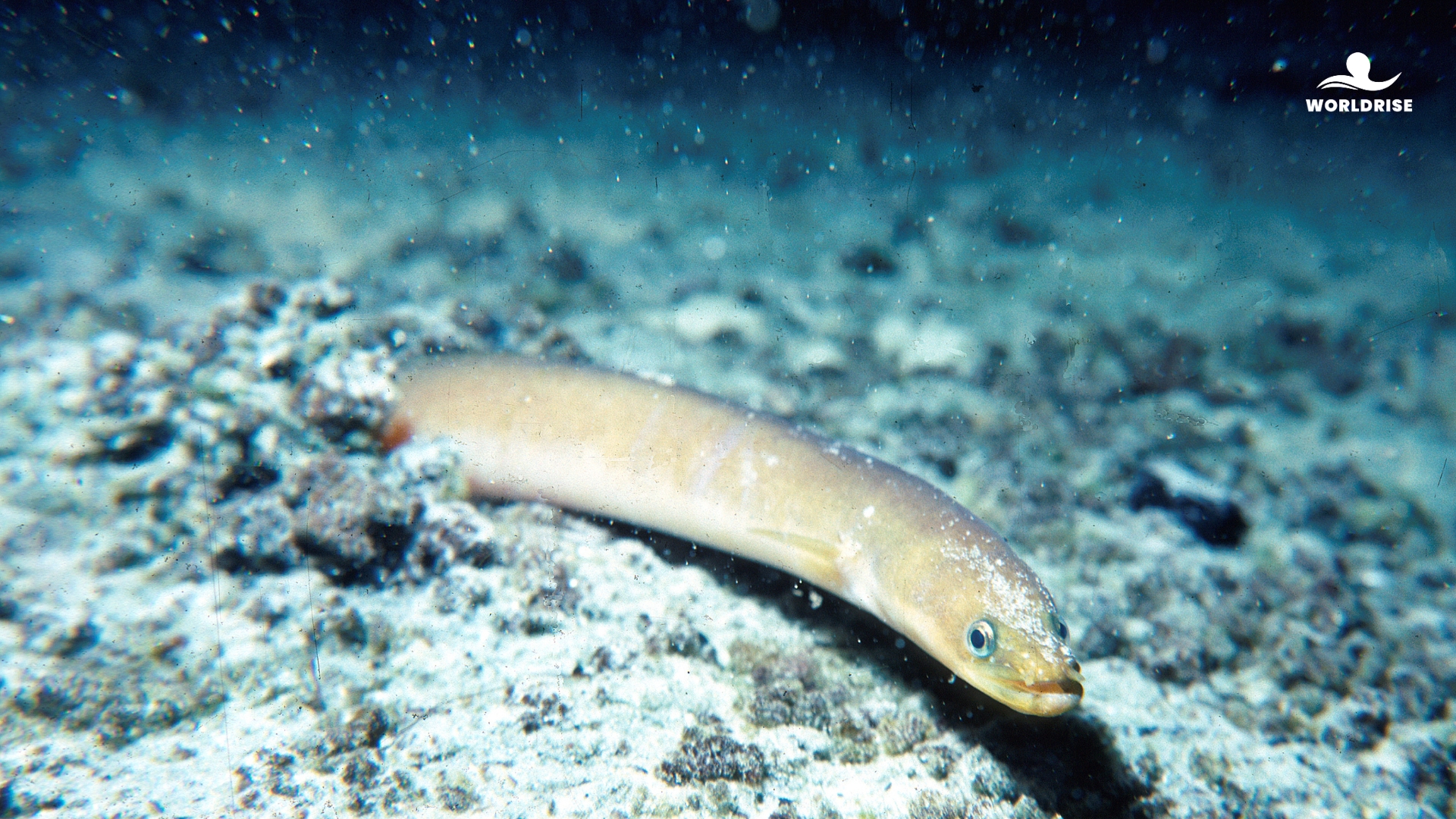
Photo via Canva
The extraordinary cold adaptations of marine organisms are not only of scientific interest but also inspire new technologies. For example, the dense fur of marine mammals like otters has led to the development of advanced insulation systems for technical clothing, ideal for wet and cold environments.
Another notable example is the antifreeze proteins, which are already being used to improve the quality of frozen foods such as ice cream. These proteins also have applications in cryopreservation of cells and tissues, cryosurgery and protecting cultures from frost. Further research into these molecules could lead to even more advanced and sustainable technologies in the future.

Photo via Canva
• Biologia marina – Il calore della vita – SIMSI. (n.d.). https://simsi.it/la-marea-fontana-natoli/il-calore-della-vita/
• Blubber – Wikipedia. (n.d.). https://en.wikipedia.org/wiki/Blubber
• Durable, Waterproof Fabric Inspired by Mammal Fur — Innovation — AskNature. (n.d.). https://asknature.org/innovation/durable-waterproof-fabric-inspired-by-mammal-fur/
• Ectotherm – Wikipedia. (n.d.). https://en.wikipedia.org/wiki/Ectotherm
• Endotherm – Wikipedia. (n.d.). https://en.wikipedia.org/wiki/Endotherm
• Eskandari, A., Leow, T. C., Rahman, M. B. A., & Oslan, S. N. (2020). Antifreeze Proteins and Their Practical Utilization in Industry, Medicine, and Agriculture. Biomolecules, 10(12), 1–18. https://doi.org/10.3390/BIOM10121649
• Fur Keeps Heat in and Cold Water Out — Biological Strategy — AskNature. (n.d.). https://asknature.org/strategy/fur-keeps-heat-in-and-cold-water-out/
• Kim, H. J., Lee, J. H., Hur, Y. B., Lee, C. W., Park, S. H., & Koo, B. W. (2017). Marine Antifreeze Proteins: Structure, Function, and Application to Cryopreservation as a Potential Cryoprotectant. Marine Drugs, 15(2). https://doi.org/10.3390/MD15020027
• Pendergast, D. R., & Lundgren, C. E. G. (2009). The underwater environment: cardiopulmonary, thermal, and energetic demands. Journal of Applied Physiology (Bethesda, Md. : 1985), 106(1), 276–283. https://doi.org/10.1152/JAPPLPHYSIOL.90984.2008
• Reeve, C., Rowsey, L. E., & Speers-Roesch, B. (2022). Inactivity and the passive slowing effect of cold on resting metabolism as the primary drivers of energy savings in overwintering fishes. The Journal of Experimental Biology, 225(8). https://doi.org/10.1242/JEB.243407
• Studying mammals: Return to the water: 2.4 Staying warm … | OpenLearn – Open University. (n.d.). https://www.open.edu/openlearn/nature-environment/natural-history/studying-mammals-return-the-water/content-section-2.4
• Wang, Z., Chen, Z., Xu, S., Ren, W., Zhou, K., & Yang, G. (2015). ‘Obesity’ is healthy for cetaceans? Evidence from pervasive positive selection in genes related to triacylglycerol metabolism. Scientific Reports 2015 5:1, 5(1), 1–12. https://doi.org/10.1038/srep14187

Ocean Facts
Author: Ingrid Ravasi


Ocean Facts
Author: Sara Allahverdiyeva


Ocean Facts
Author: Sara Allahverdiyeva


Ocean Facts
Author: Martina Difonzo
