
Author: Sara Allahverdiyeva

Although adult fish are more resistant to oil spills and often avoid the “danger zone”, where the spill may have occurred, young fish populations are particularly vulnerable to oil, being exposed to egg mortality and gill damage. It is also worth noting that fish exposed to oil-contaminated water can accumulate toxins in their tissues, which may then be transmitted to other organisms, including us, through the food chain.
Seabirds, are among the most vulnerable creatures and are at great risk in oil spill accidents. Their plumage, which retains heat and provides buoyancy, is the most obvious area affected by oil spills. Even the slightest drop of oil on a bird’s plumage can damage the structure of its protective layer and insulating feathers, leading to the death of the animal due to body heat loss. Additionally, a bird with impaired thermoregulation loses its ability to fly in search of food, which can result in death by starvation. Seabirds such as gulls, terns, auks, and skimmers are especially vulnerable in cold climatic zones.
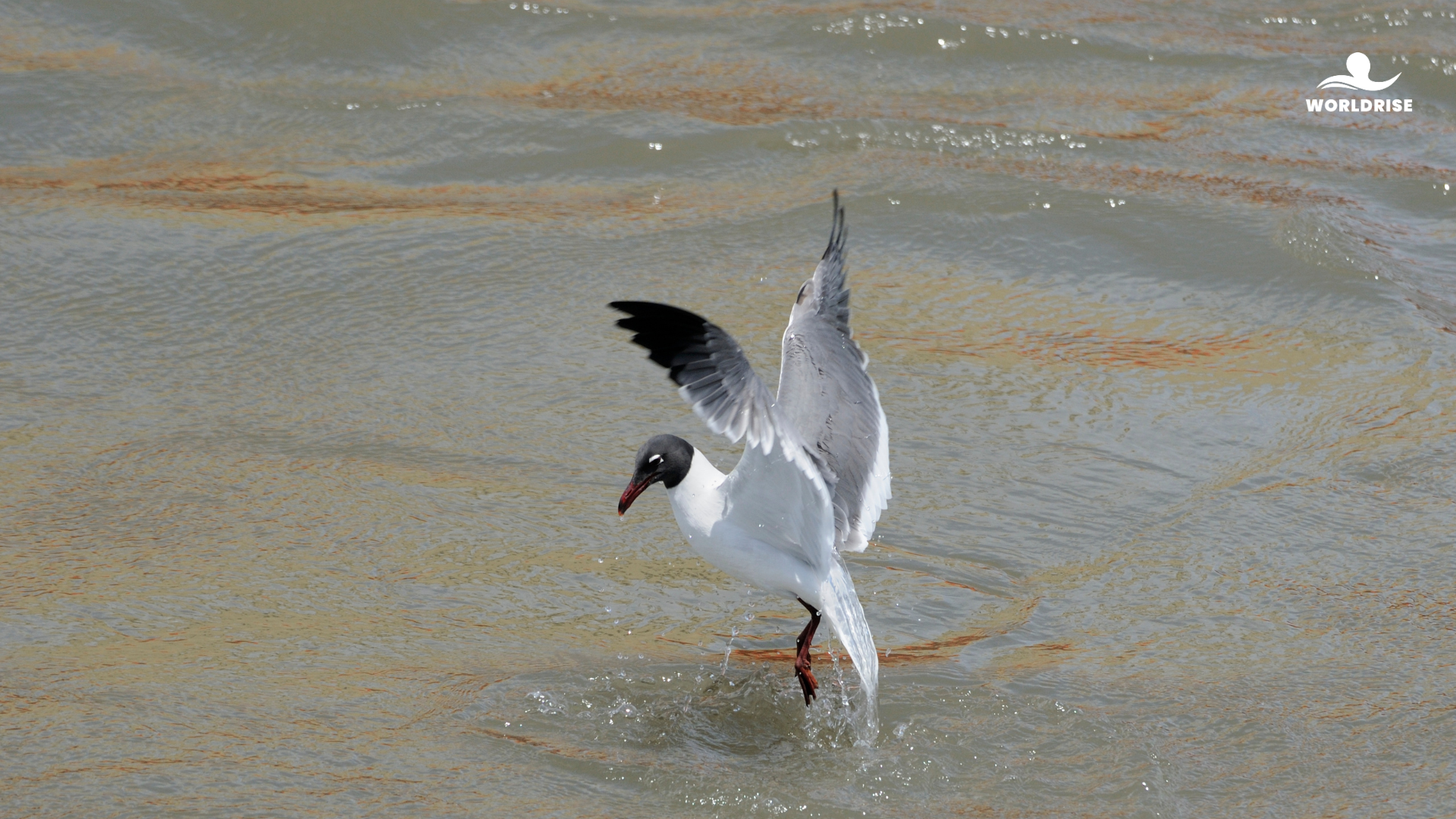
Photo via Canva
The effect of oil on marine mammals depends on the importance of fur and thermoregulation for certain species. Consequently, animals such as sea otters and polar bears are most vulnerable to the effects of oil spills. Direct contact with oil can also cause eye problems. In addition, inhaling toxic oil fumes can damage the respiratory and nervous systems of these organisms, negatively affecting their behavior. Ingestion of oil-contaminated water can lead to digestive problems, directly affecting the liver and kidneys of mammals.
Corals are very sensitive and vulnerable species, greatly affected by the damage caused by oil spills. Polycyclic aromatic hydrocarbons (PAHs) in the composition of oil are toxic to coral reefs, disrupting their growth, development, and reproductive abilities. Pollution associated with oil spills makes corals more vulnerable to bleaching. Stress caused by oil contamination can lead corals to expel their symbiotic algae (zooxanthellae), which provide energy, color, oxygen, and sugars to corals. Without these algae, corals lose their primary energy source and their vibrant color, leading to poor growth, reduced reproduction, and death.

Photo via Canva
Marine microbes are microorganisms, smaller than 0.1 mm, that live in aquatic ecosystems. They make up approximately 70% of all marine biomass, which classifies them as essential for maintaining marine environment. Marine microbes refer to a wide range of marine microorganisms, including Bacteria, Archaea, Viruses and Fungi, each playing its own unique role in oceanic processes.
In particular, Bacteria and Fungi are the ones capable of breaking down hydrocarbons when oil spills occur.
Marine bacteria are prokaryotic organisms, fundamental in the nutrient cycle and the breakdown of organic matter in aquatic ecosystems. Marine Fungi, which are found on algae, seagrasses, coral reefs, and mangroves, are microscopic organisms that play a crucial role in decomposing organic material and form symbiotic relationships with other organisms. Together, these microbes are responsible for the balance of life in marine ecosystems: they play a significant role in the global carbon and nutrient cycle, mitigating climate change and producing more than 50% of the oxygen on Earth.
Marine fungi are the main microorganisms involved in oil decomposition, with more than 103 taxonomic groups capable of degrading hydrocarbons, while bacteria include 79 taxonomic groups active in this process. Marine microbes are able to break down oil, due to the presence of enzymes and metabolic pathways, specially adapted to decompose hydrocarbons in oil composition. Some microbes, in fact, can use oil as their sole source of energy for growth and reproduction. This biochemical process is called enzymatic reaction and allows proteins produced by marine microorganisms to catalyze the breakdown of oil molecules into simpler compounds.
Microbial degradations can be aerobic or anaerobic, depending on the presence of oxygen. In fact, marine microbes can biodegrade hydrocarbons even in the absence or at limited level of oxygen, such as around vents, sediments or in deep waters. During anaerobic degradation, microbes use alternative electron acceptors, such as nitrate (NO₃⁻) or sulfate (SO₄²⁻), instead of oxygen. This results in a slower and less efficient process compared to aerobic conditions.
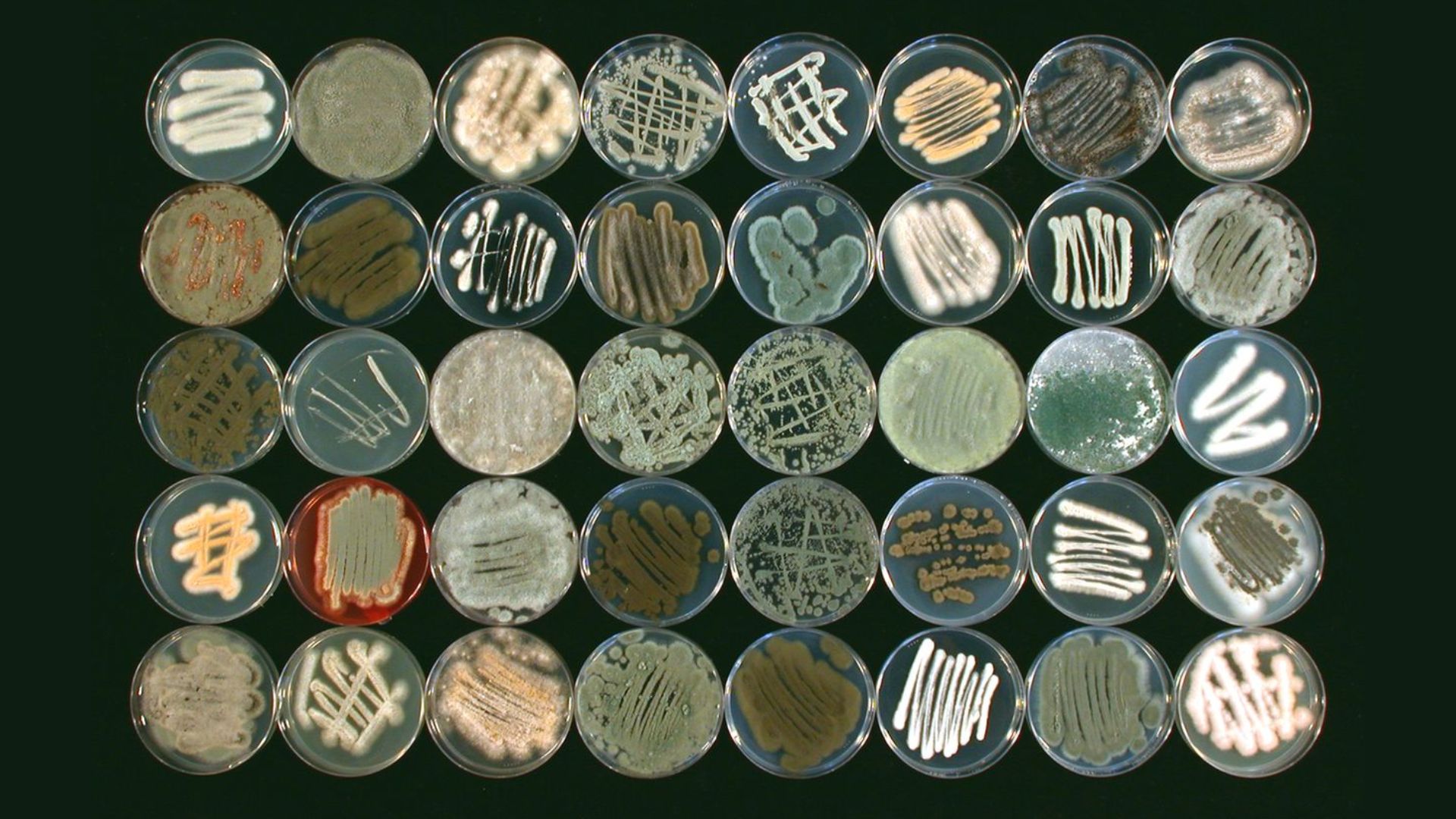
Photo via Wikipedia
Marine microbes are capable of biodegrading up to 60% of crude oil, depending on physical and chemical factors, the composition of the oil and the microbes themselves. Biodegradation, depending on its aerobic or anaerobic conditions, occurs in 1-3 weeks. It is worth noting that no single marine microbe is capable of completely breaking down oil, because oil is a complex mixture of various hydrocarbons, including alkanes, aromatics, and resins, each of which requires different enzymatic processes for degradation. However, microbial communities, with their diverse enzymatic abilities, play an essential role in oil bioremediation by minimizing oil’s adverse effects and significantly reducing toxicity to marine ecosystems.
Biodegradation of oil by marine microbes is influenced by a range of environmental, microbial, and oil-related factors.
• ENVIRONMENTAL FACTORS
Temperature is an essential aspect of the bioremediation process, because the best biodegradation rate is reached with a water temperature around 24°C, while extreme temperatures can slow microbial activity. Similarly, the pH of the environment is important: most oil-degrading bacteria thrive in a neutral to slightly alkaline environment (pH range of 6.5-7.5), and deviations from this range can decrease their activity. As mentioned earlier, the presence of oxygen also makes a very significant difference, because when in an aerobic environment the process occurs much faster and more efficiently compared to an anaerobic environment. The presence of nutrients, such as nitrogen and phosphorus, is also very important for microbial activity, as microorganisms can break down oil only in the presence of other nutrients. Accordingly, if nutrient levels in the water are low, then the decomposition of oil will be slower.
• MICROBIAL FACTORS
Different microbes specialize in breaking down different components of oil; therefore, a diverse microbial community is necessary for a faster and more efficient biodegradation. Microbial communities, in fact, can work on a wider range of hydrocarbons than a single microbe. Metabolic abilities in different microbes can also vary. Some bacteria produce special enzymes, such as oxygenase or dehydratase, which help break down more complex hydrocarbons.
• OIL-RELATED FACTORS
The lighter the oil (gasoline, kerosine, diesel, light lubricants), the faster the decomposition, but some hydrocarbons may not even decompose at all. Heavy fractions of oil, such as resins, can survive for thousands of years in the ocean! Microbial degradation efficiency is highest in hydrocarbons with carbon chains between 6 and 24 atoms, because they are characterized by lower toxicity, optimal size, structure, and better microbial adaptation. Enhancing biodegradation strategies for longer chains often involves techniques like bio-stimulation (adding nutrients) or bioaugmentation (introducing specialized microbes).
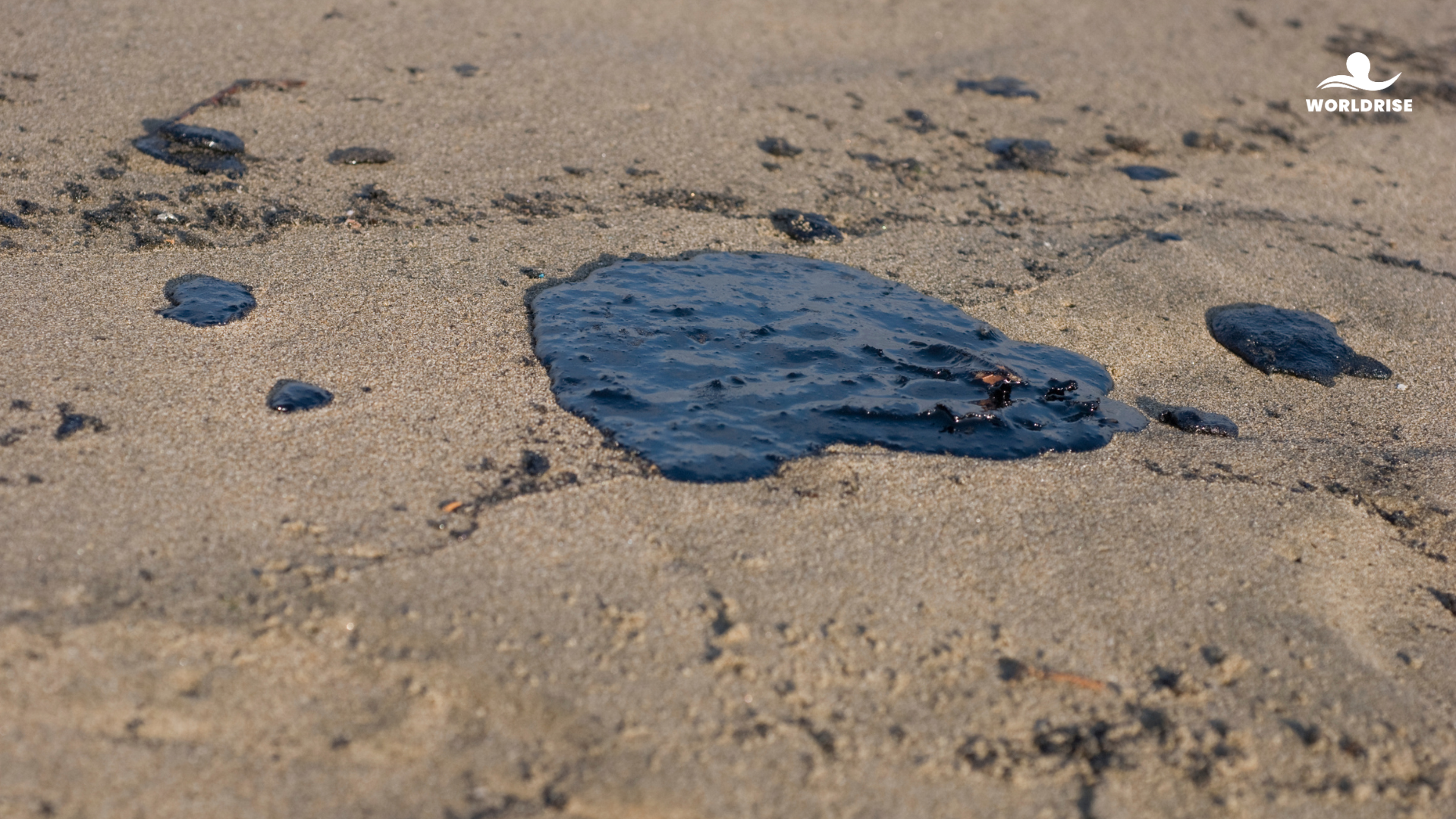
Photo via Canva
The presence of an oil spill provides a nutrient-rich environment for specific marine microbes, causing them to grow and reproduce rapidly. As the microbes decompose the oil, the concentration of oil in the water decreases, reducing the level of toxicity in the polluted marine ecosystem. As the amount of oil decreases, the microbial community is gradually replaced by simpler organisms capable of processing simpler organic products. This leads to the restoration of the original microbial ecosystem in the affected area.
• Ninety Percent of the World’s Oil Slicks Are Caused by Humans, Not Nature – Eos https://eos.org/articles/ninety-percent-of-the-worlds-oil-slicks-are-caused-by-humans-not-nature
• Effects of oil pollution on the marine environment – ITOPF https://www.itopf.org/fileadmin/uploads/itopf/data/Documents/TIPS_TAPS_new/TIP_13_Effects_of_Oil_Pollution_on_the_Marine_Environment.pdf
• Marine microorganisms – Wikipedia https://en.wikipedia.org/wiki/Marine_microorganisms
• The biomass distribution on Earth – PNAS https://www.pnas.org/doi/10.1073/pnas.1711842115
• Prokaryotic cells – Khan Academy https://www.khanacademy.org/science/biology/structure-of-a-cell/prokaryotic-and-eukaryotic-cells/a/prokaryotic-cells
• Soil Microbiology, Ecology and Biochemistry (Fifth Edition) – Chapter 3 https://doi.org/10.1016/B978-0-12-822941-5.00003-X
• Archaea – Britannica https://www.britannica.com/science/archaea
• The Biomass Composition of the Oceans: A Blueprint of Our Blue Planet https://www.cell.com/cell/fulltext/S0092-8674(19)31274-7
• Eukaryote – Brittanica https://www.britannica.com/science/eukaryote
• How much oxygen comes from the ocean? – NOAA https://oceanservice.noaa.gov/facts/ocean-oxygen.html
• Petroleum Hydrocarbon-Degrading Bacteria for the Remediation of Oil Pollution Under Aerobic Conditions: A Perspective Analysis https://www.frontiersin.org/journals/microbiology/articles/10.3389/fmicb.2018.02885/full
• Effect of Initial pH on the Bioremediation of Crude Oil Polluted Water Using a Consortium of Microbes https://www.researchgate.net/publication/263847362_Effect_of_Initial_pH_on_the_Bioremediation_of_Crude_Oil_Polluted_Water_Using_a_Consortium_of_Microbes
• Marine Oil-Degrading Microorganisms and Biodegradation Process of Petroleum Hydrocarbon in Marine Environments: A Review http://dx.doi.org/10.1007/s00284-015-0825-7

Ocean Facts
Author: Ingrid Ravasi

Blue Growth
Author: Ingrid Ravasi


Ocean Facts
Author: Sara Allahverdiyeva


Lifestyle
Author: Sara Allahverdiyeva

Events
Authors: Marta Curri, Claudia Pintore and Andrea Carlini
