GOAL
Valuing small coastal fishing communities that fish sustainably by promoting responsible fish consumption and facilitating awareness in consumer choices.
SEAstainable includes three different projects:
As with wine, in which “terroir” identifies all aspects related to the territory from which the wine comes, including its tradition, the fishery can also tell us the story of the waters from which it comes, the fishermen and the community that benefits from it. Hence the idea of “Meroir,” a term to enhance the fish resource, not only as a commercial and food product, but more importantly as a story of interdependence between people and natural resources.
Click to learn more about this project!
SEAstainable
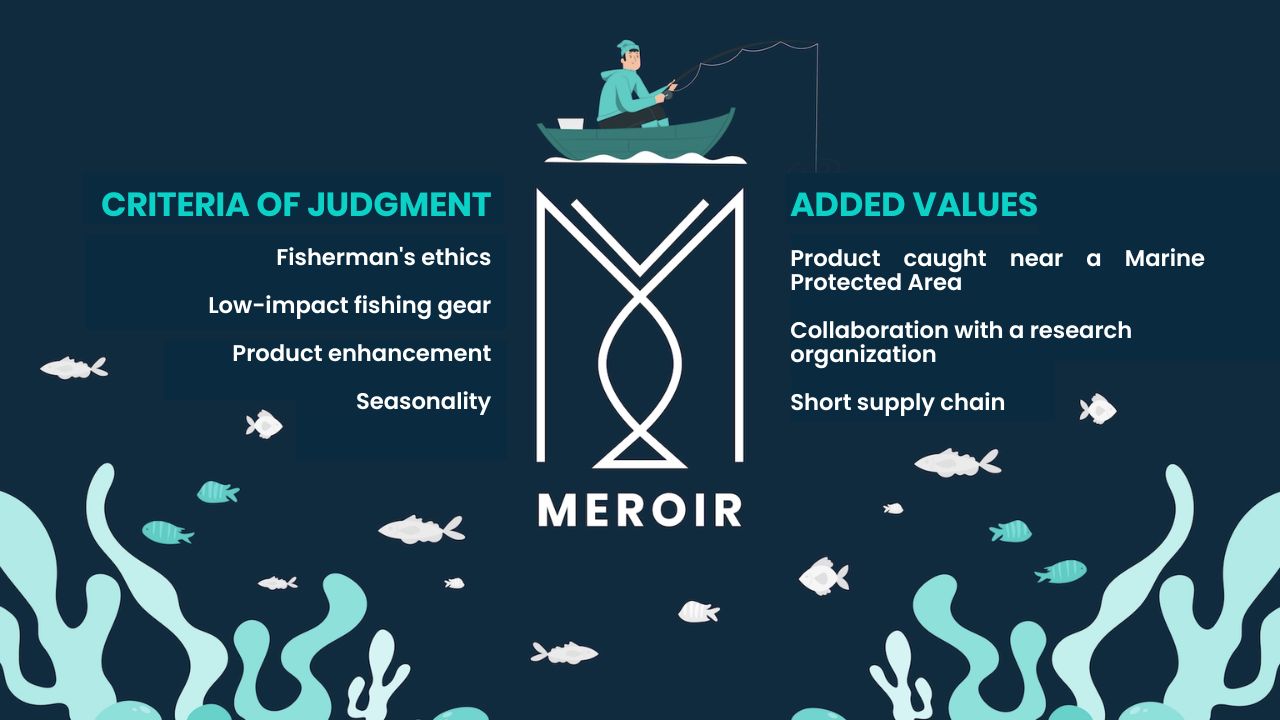
The Meroir project aims to enhance the product of the small-scale coastal fisherman who practice artisanal fishing in an ethical and sustainable manner. To do this, it set out to develop criteria for judging seafood products that can identify a Meroir product, that is, a product with a history, a tradition, and a link to the territory.
The pilot project to identify the judging criteria was developed in Liguria and Emilia Romagna; in the first case we have the presence of Marine Protected Areas (MPAs) and Sites of Community Interest (SCIs), in the second case we do not have MPAs but we already have territorial realities that have developed certified seafood products that focus on sustainability.
Through research activities and meetings with local producers, we came up with 4 judgment criteria and 2 characteristics that constitute added value:
Consumer choices in fish shops and offerings in restaurants are often limited to a few fish species and often overfished. Therefore, we have compiled, with input from star chefs, a guide that facilitates more responsible fish consumption. Promotion of sustainable fishing methods, local and seasonal products, and “poor” species are the basis of the consumer suggestions, contained in the guide.
Click to discover the guide!
SEAstainable
Although the Mediterranean Sea represents only 0.82% of the total ocean surface area, it holds 15% of the world’s marine biodiversity, much of it represented by edible species and with a long fishing tradition behind it that is often forgotten.
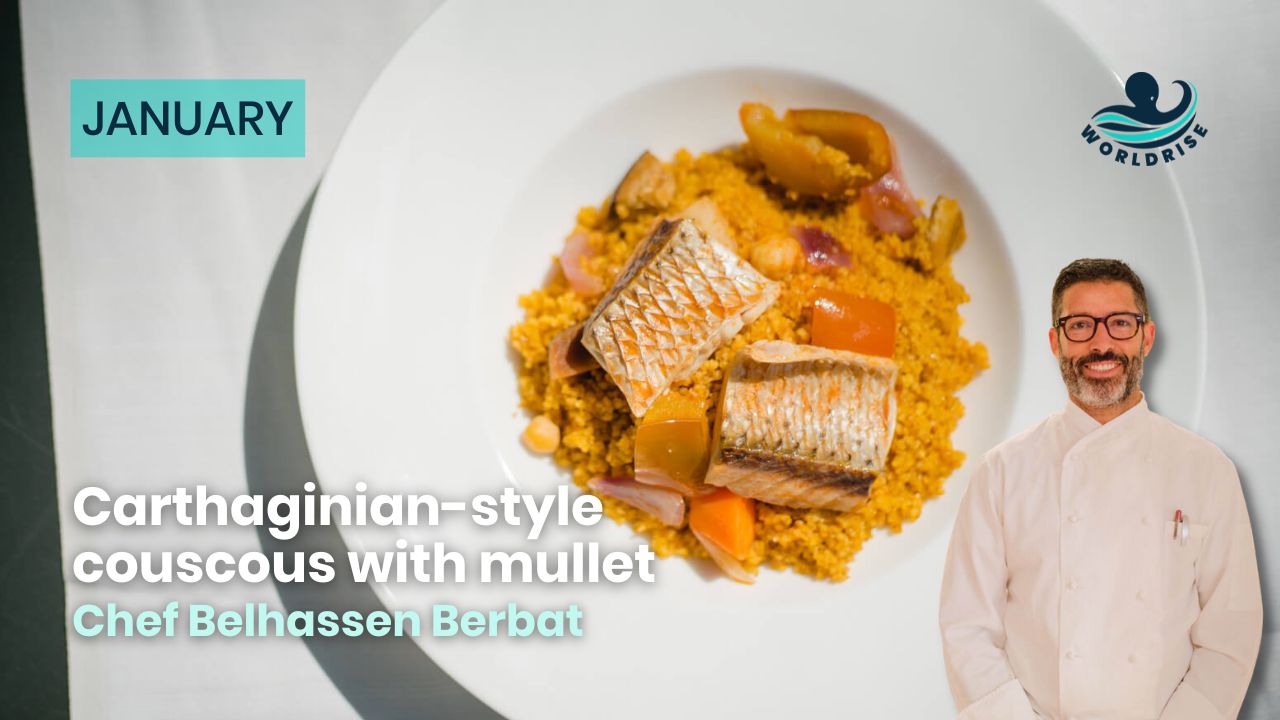
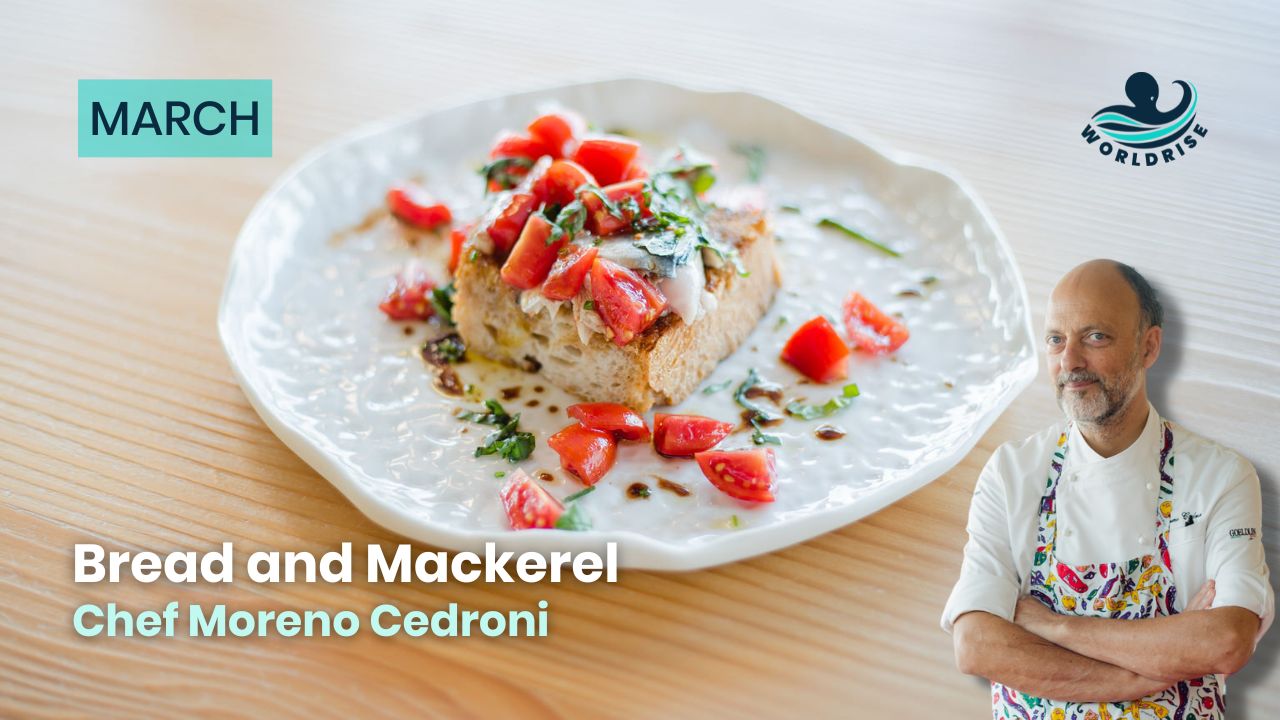
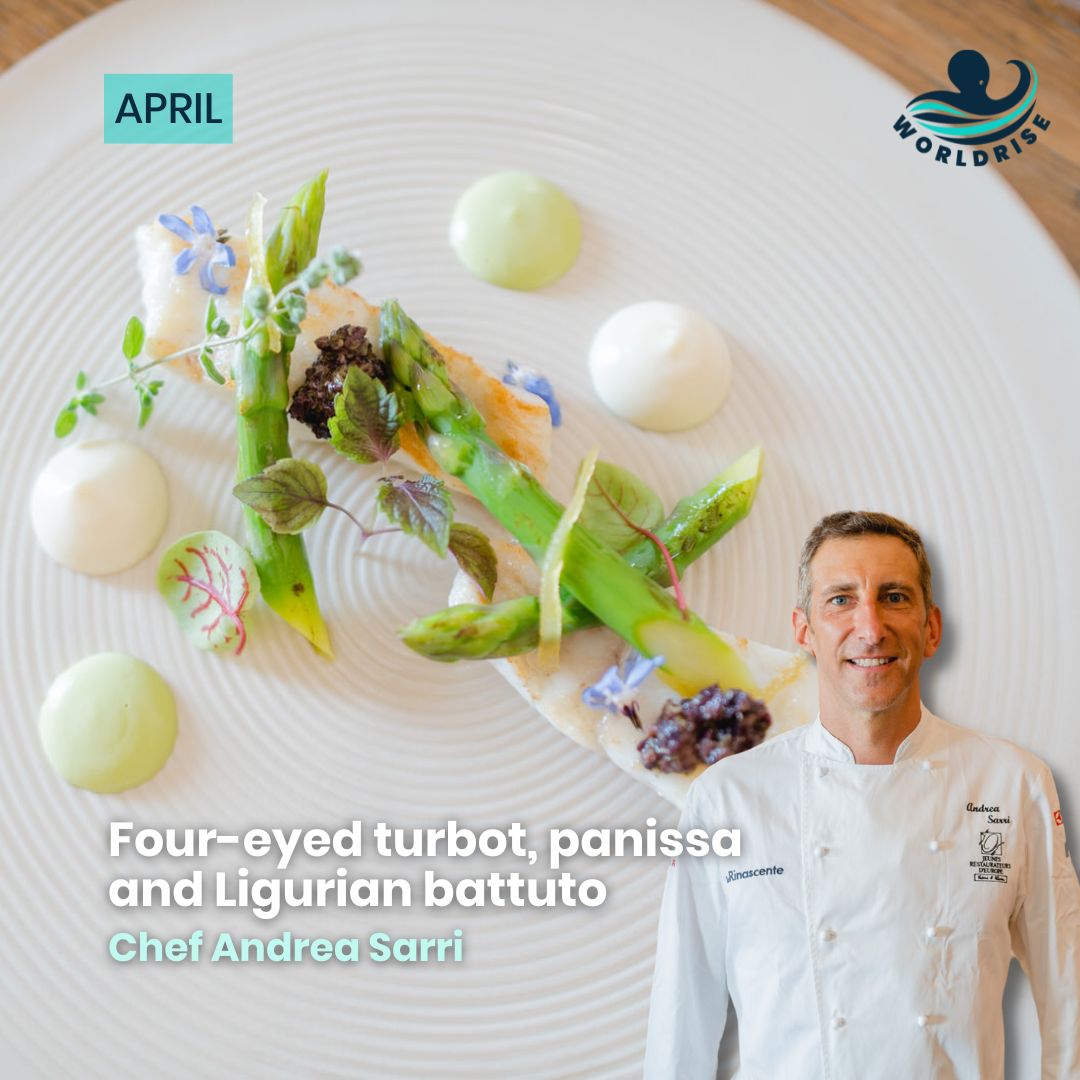
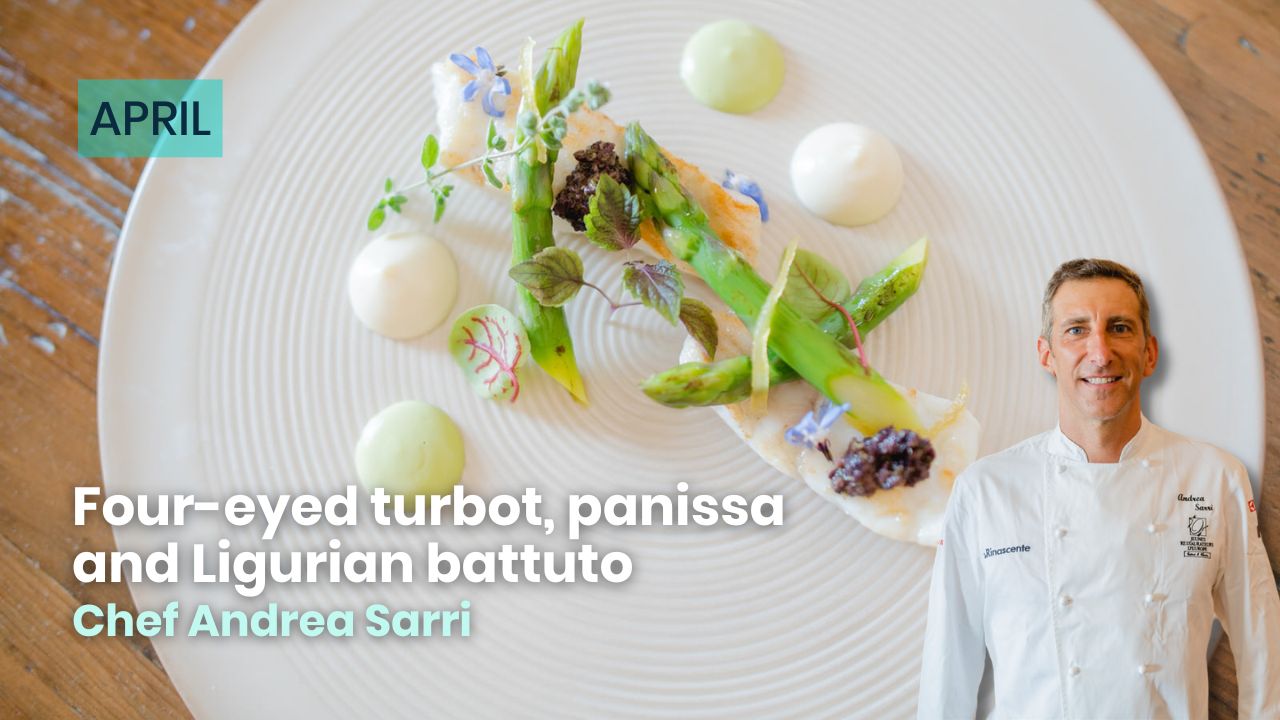
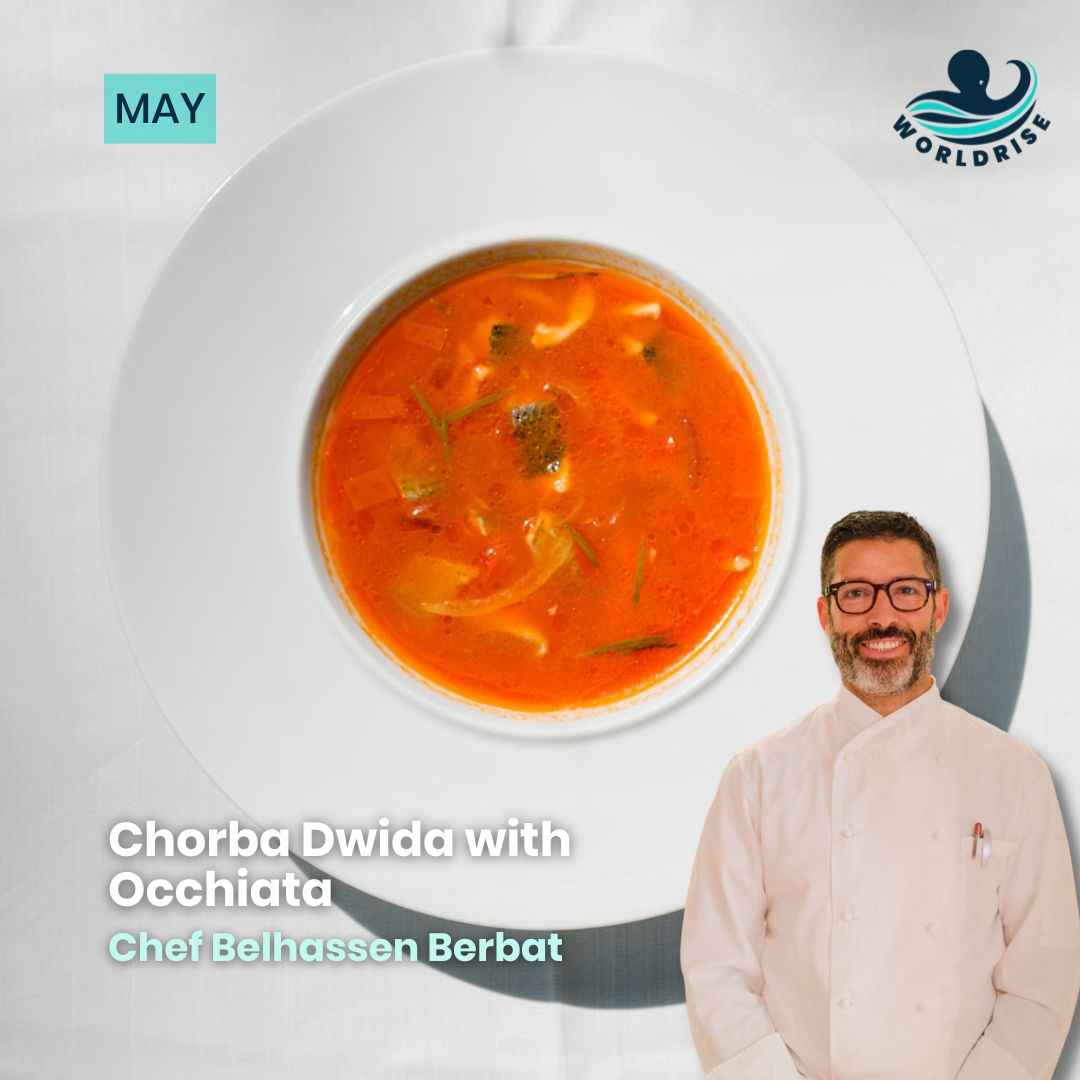
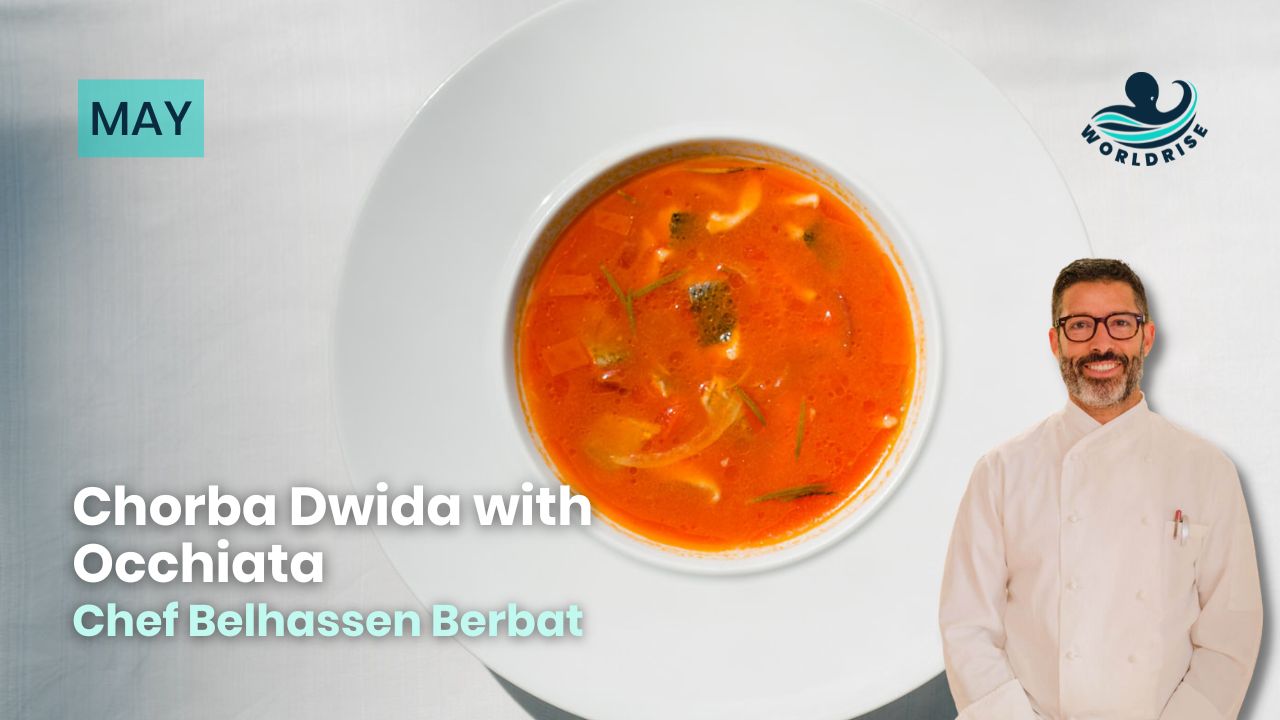
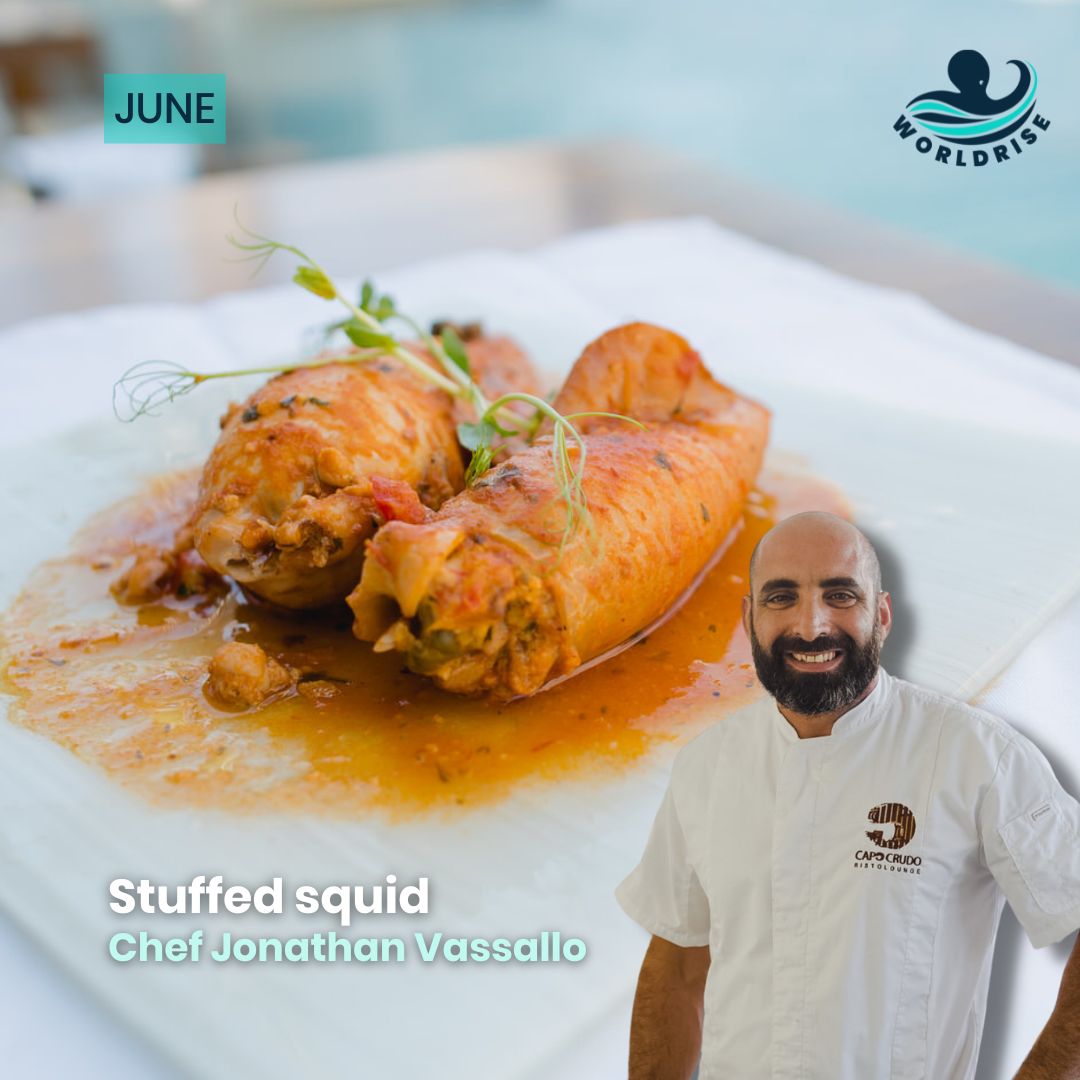
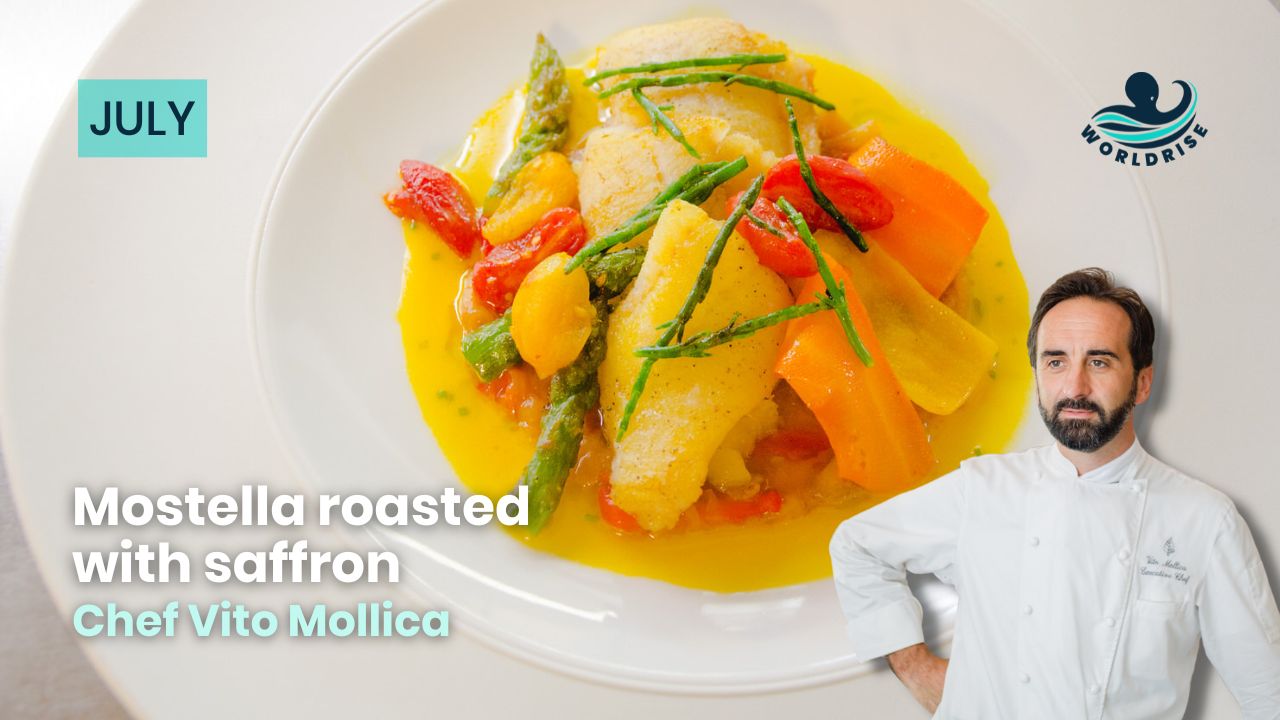
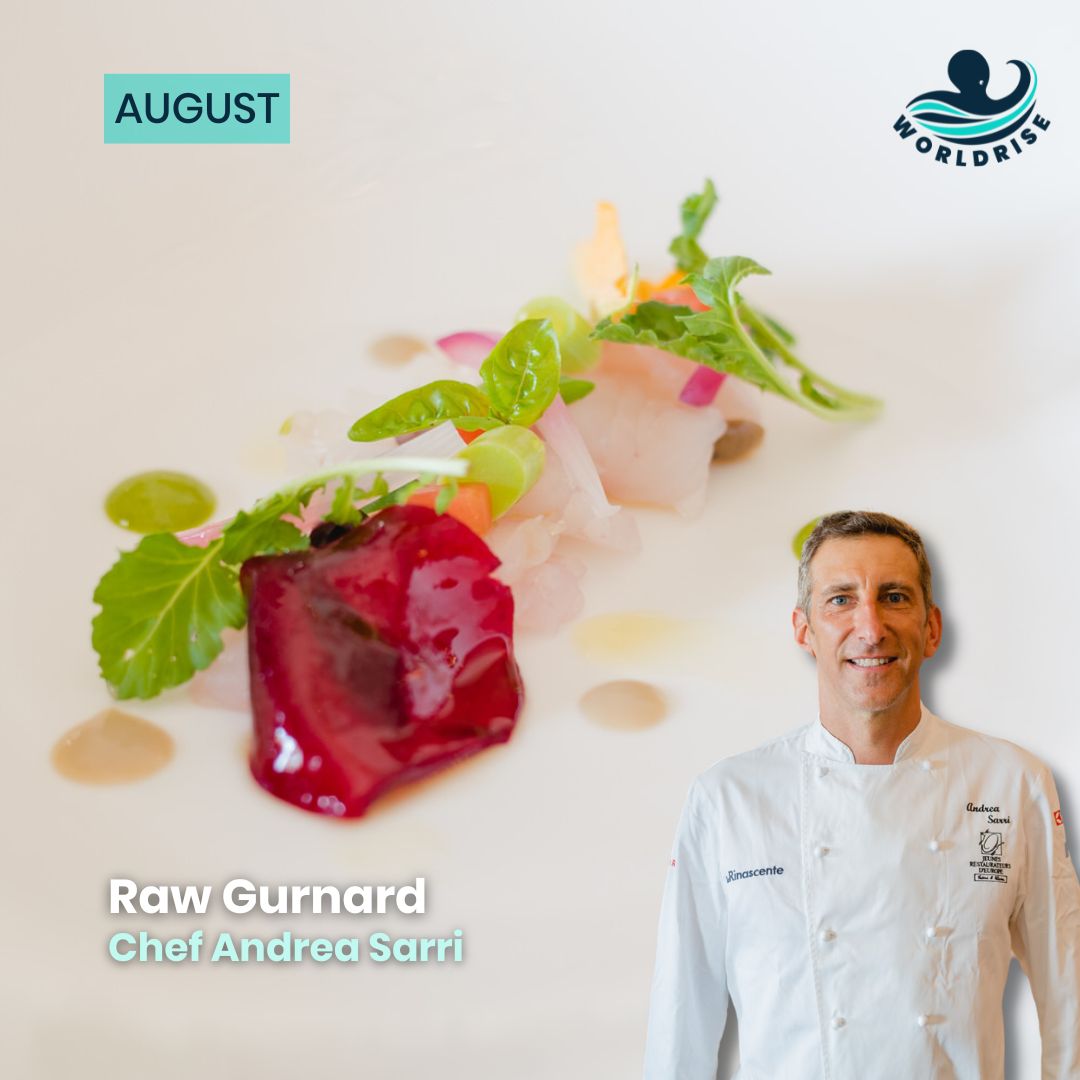
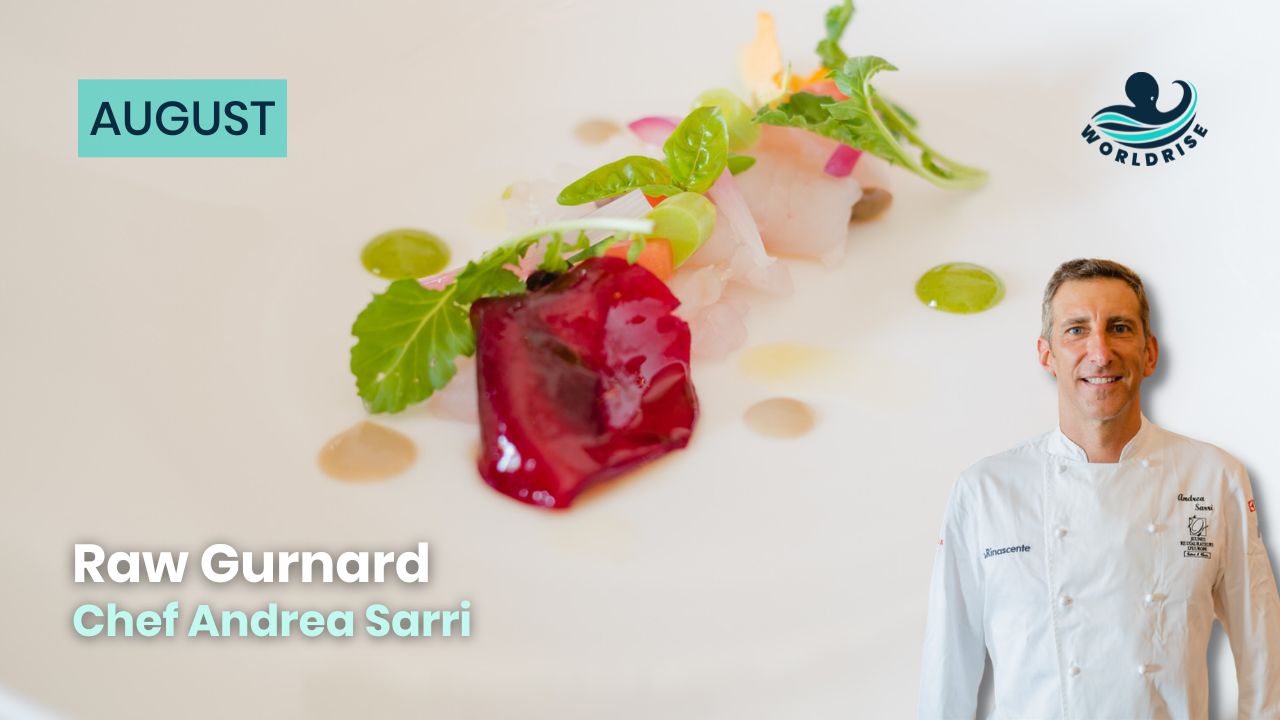
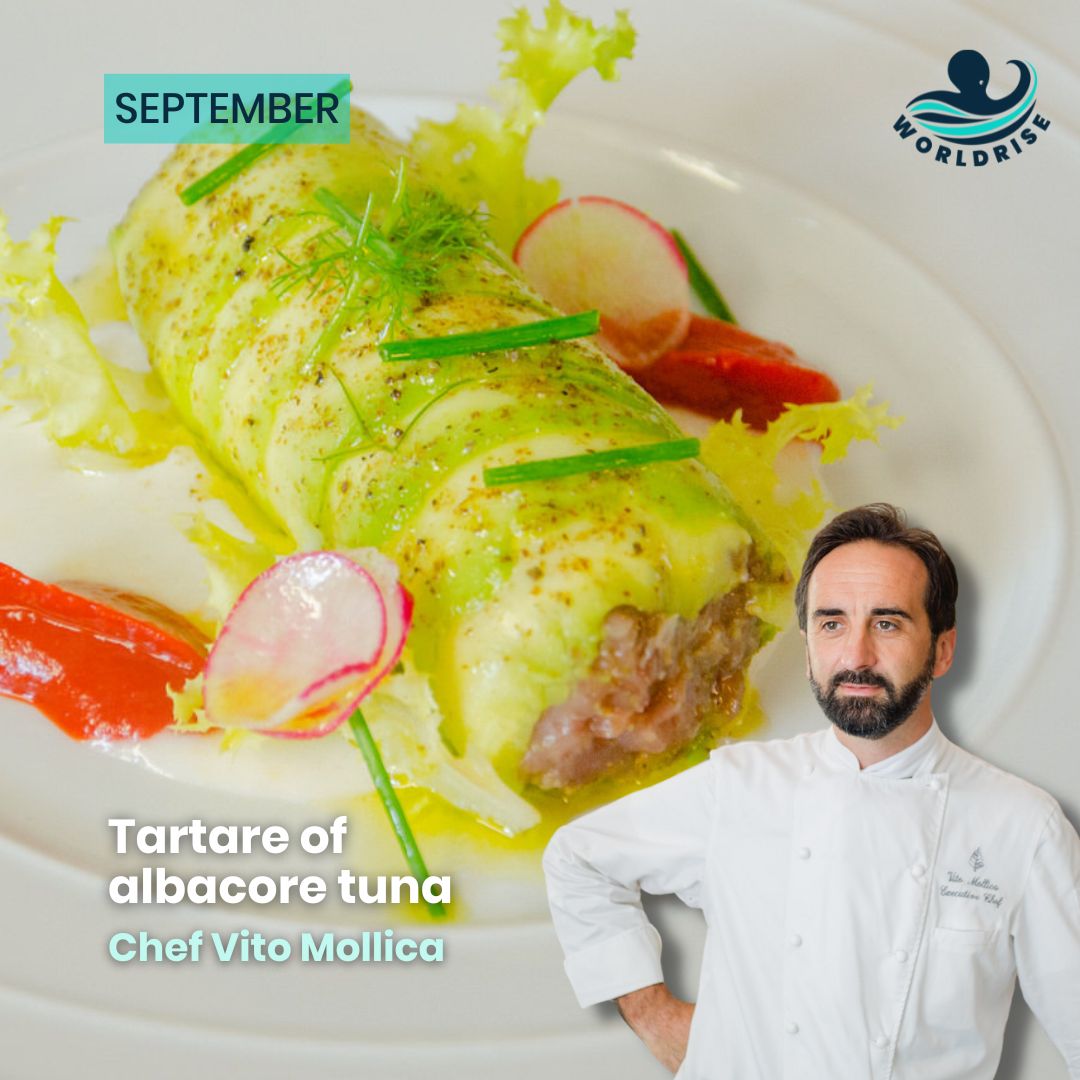
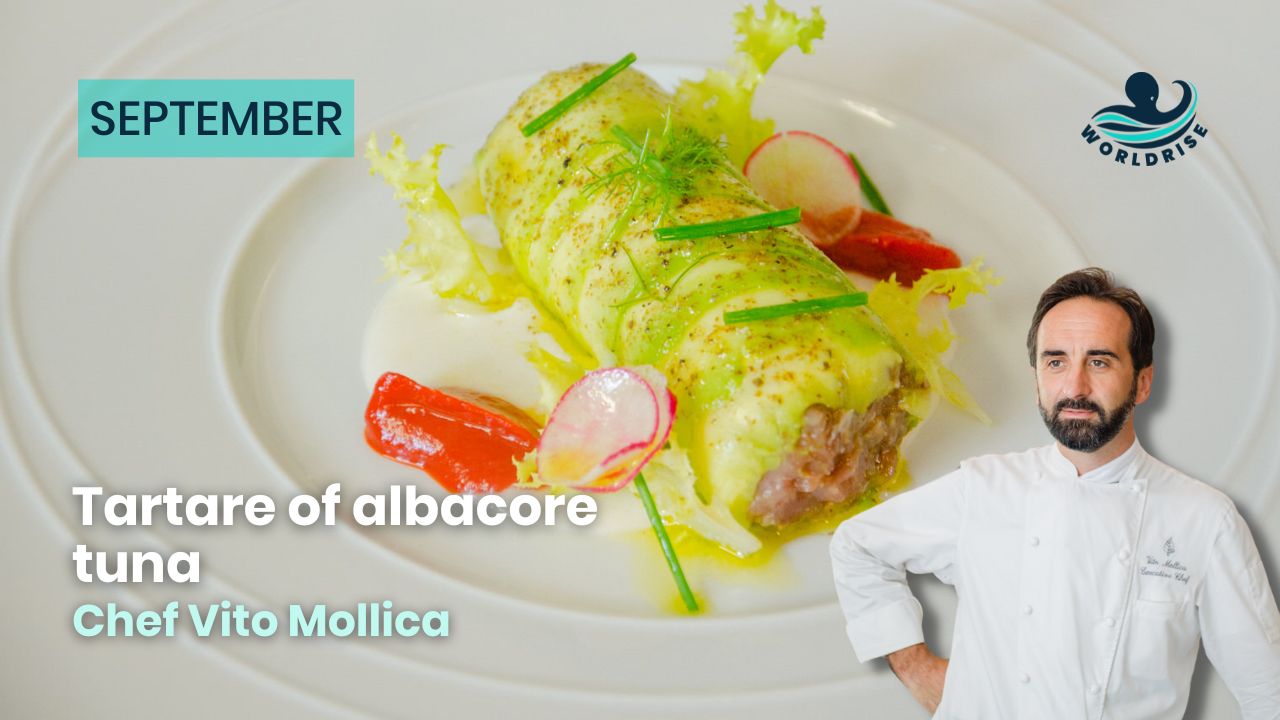
SEAstainable SEAfood Guide aims to raise awareness of this wealth by showcasing 12 different sustainable fish species, one per month, for a year of responsible consumption.
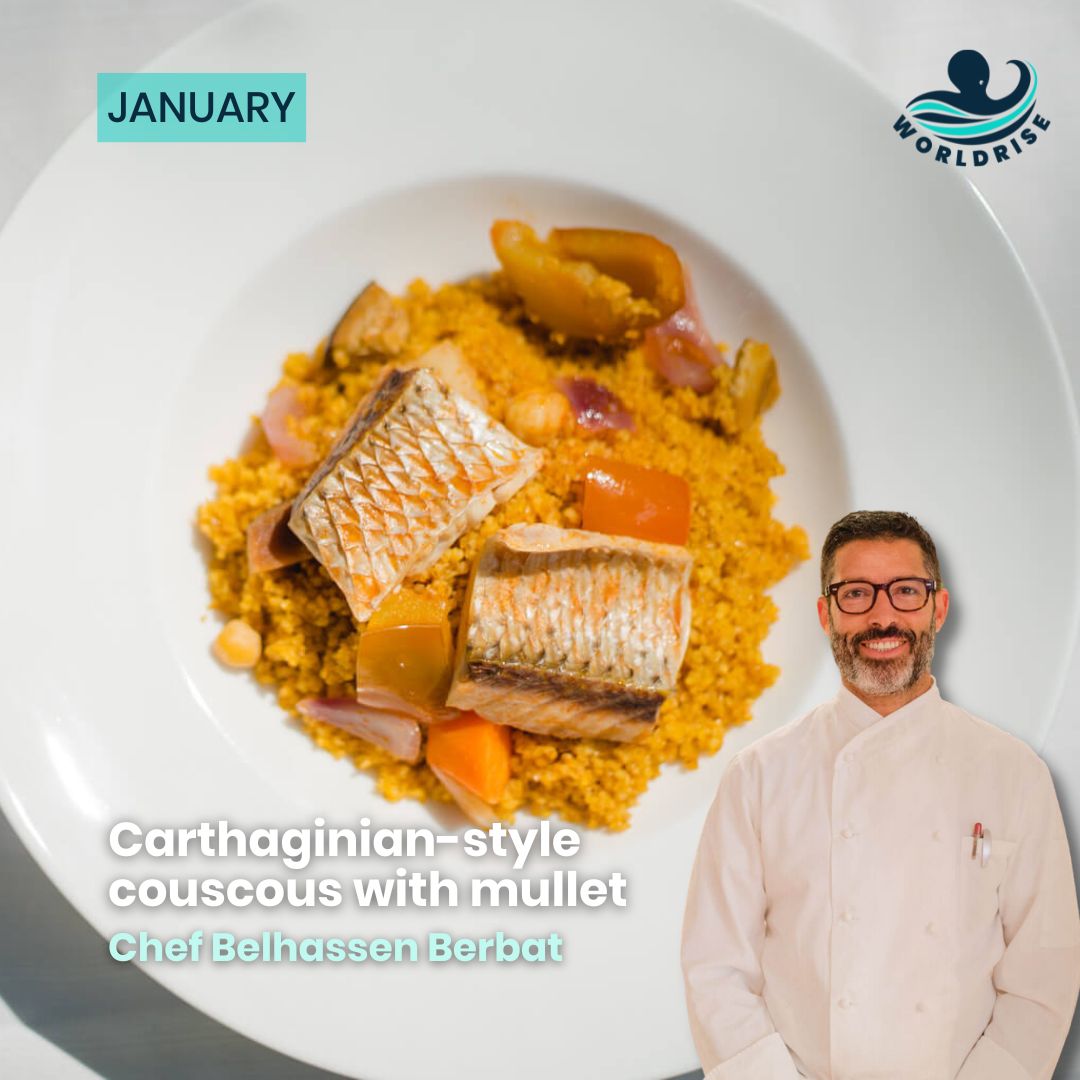
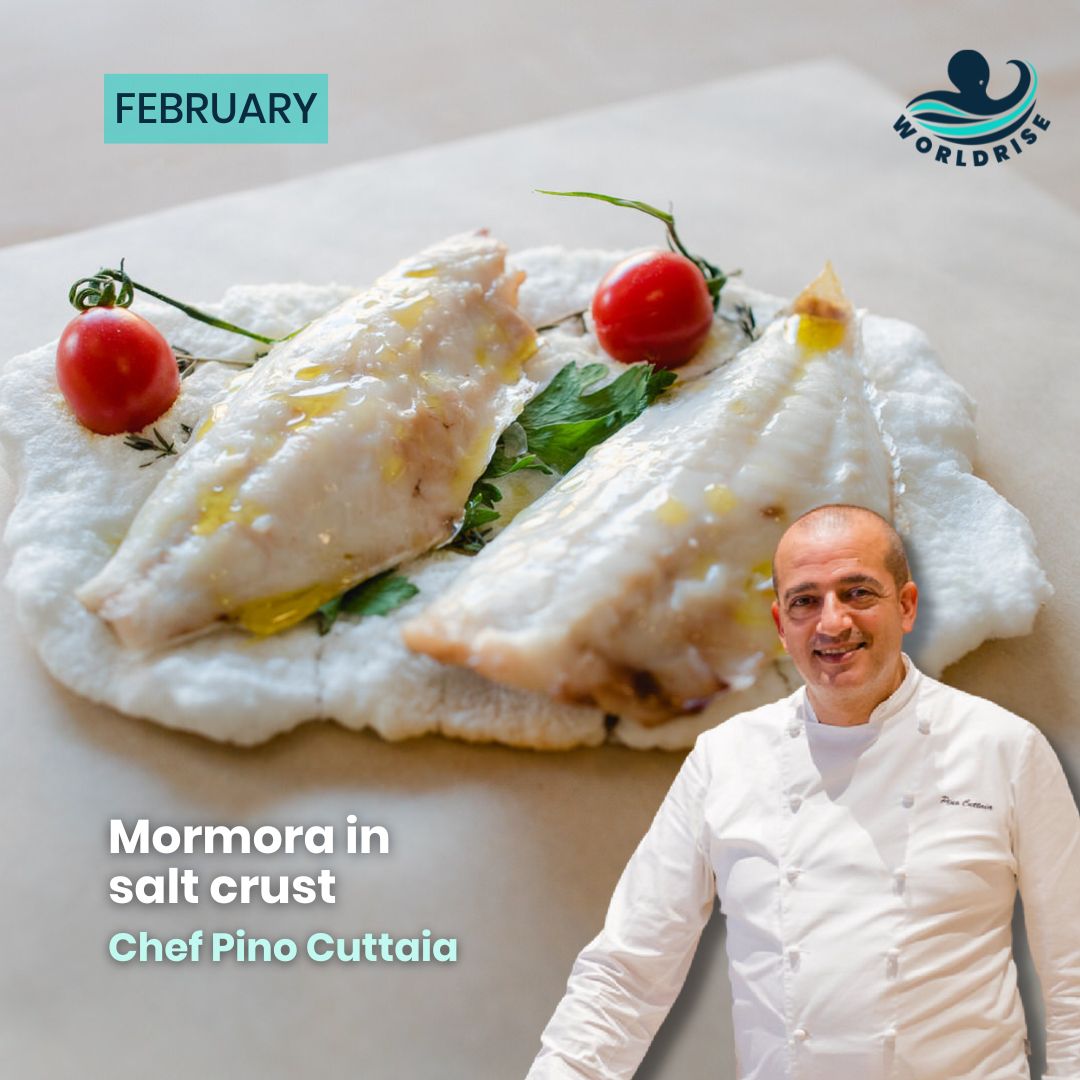
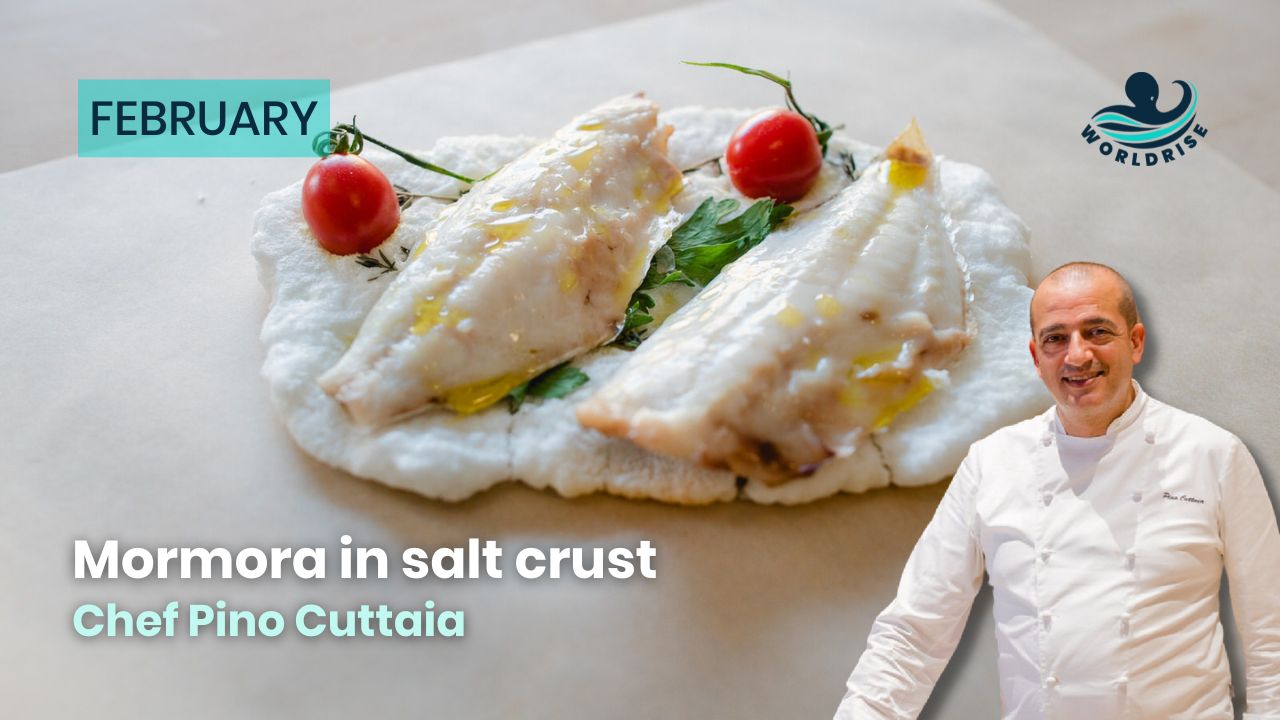
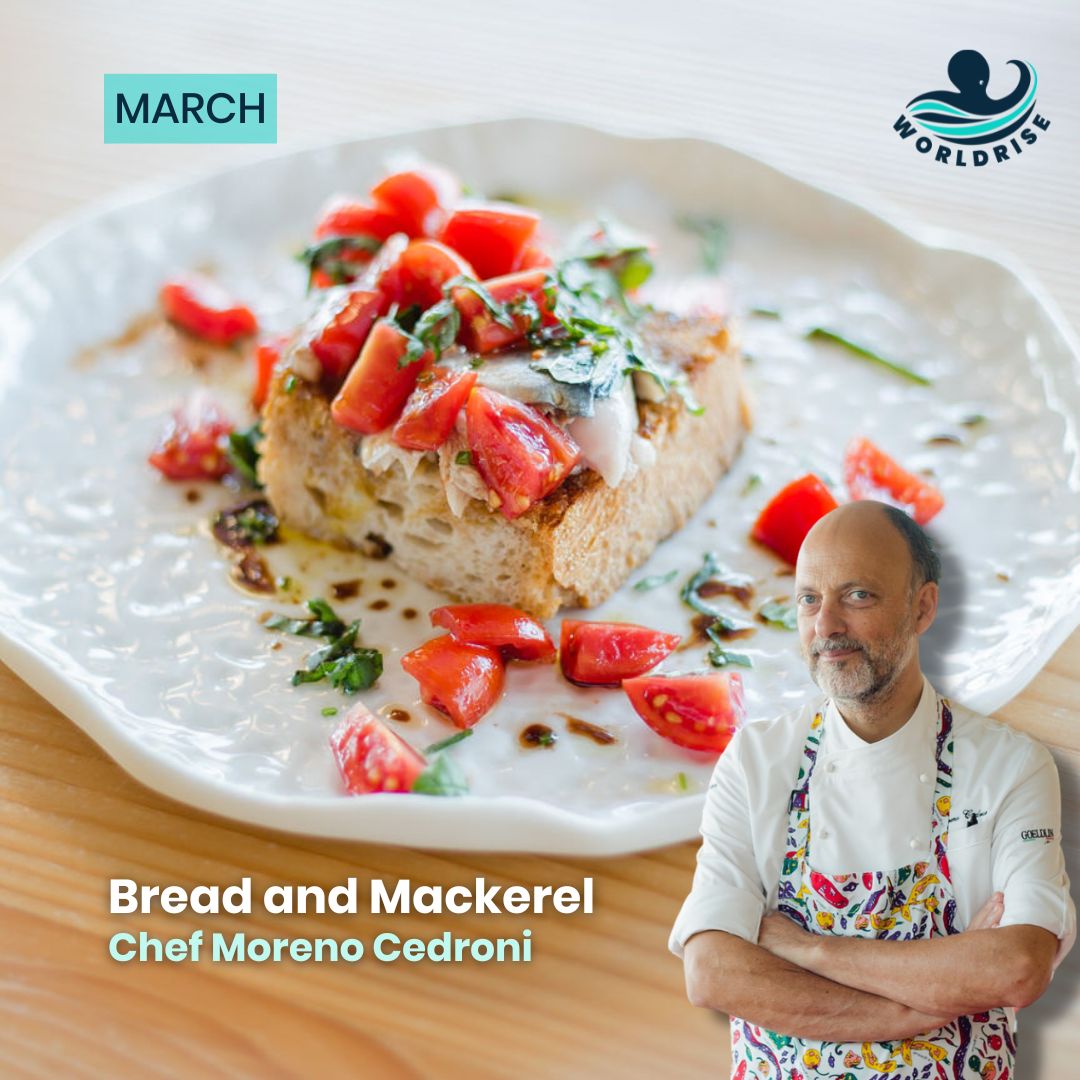
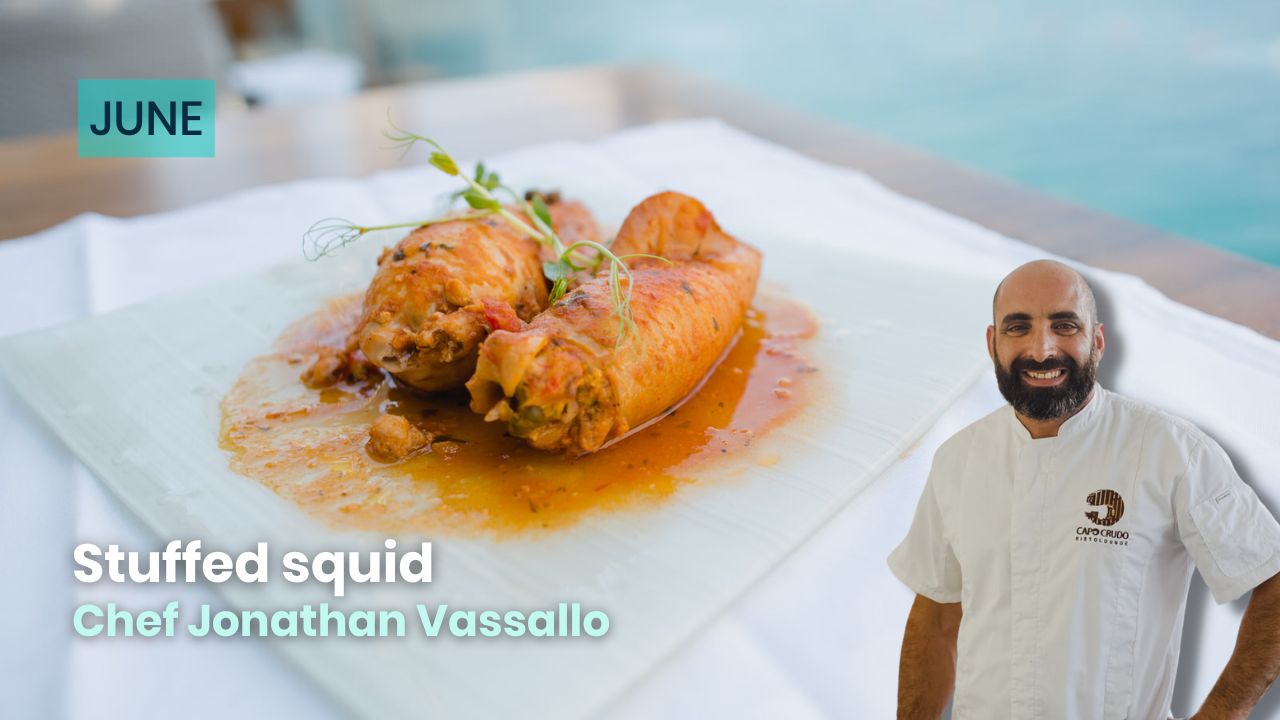
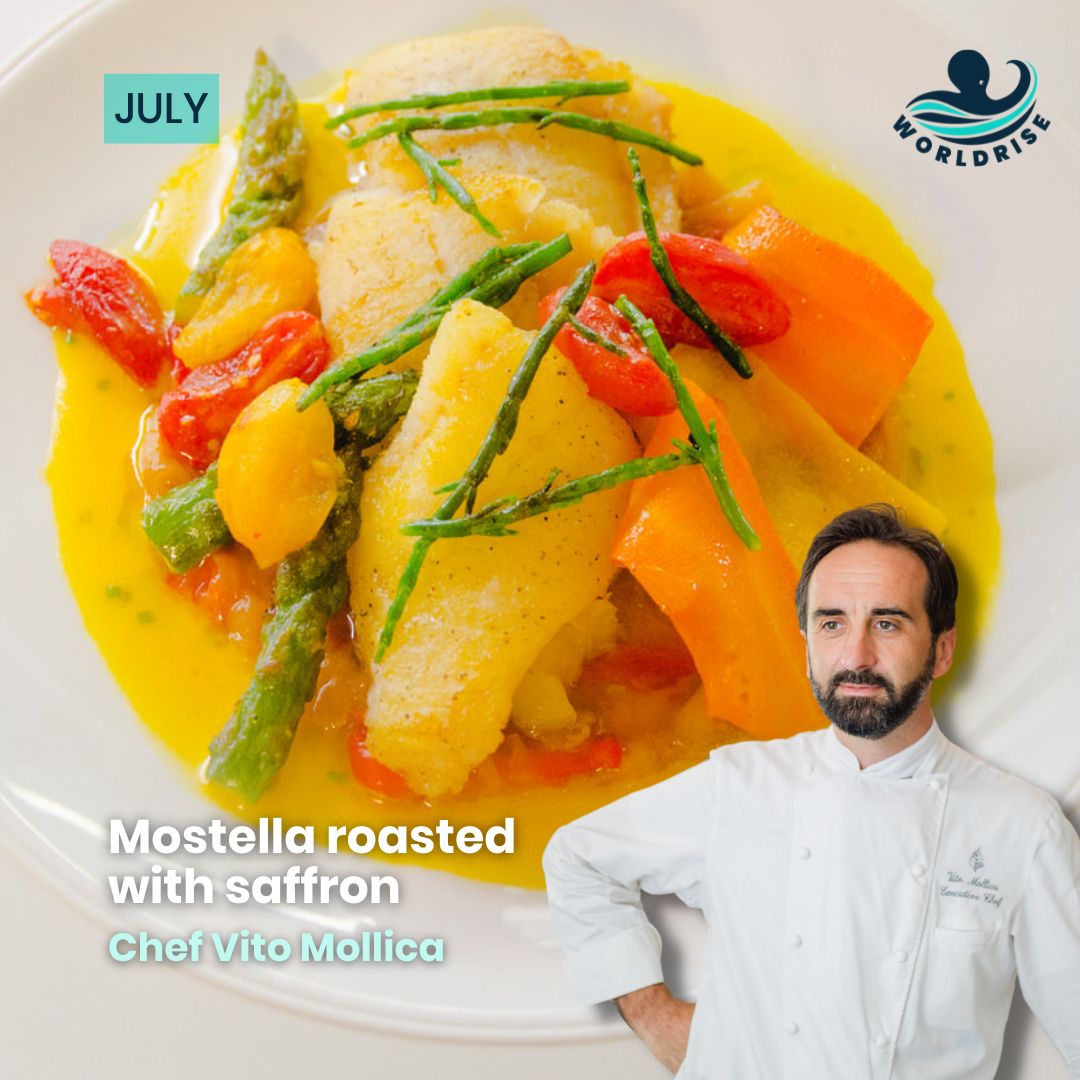
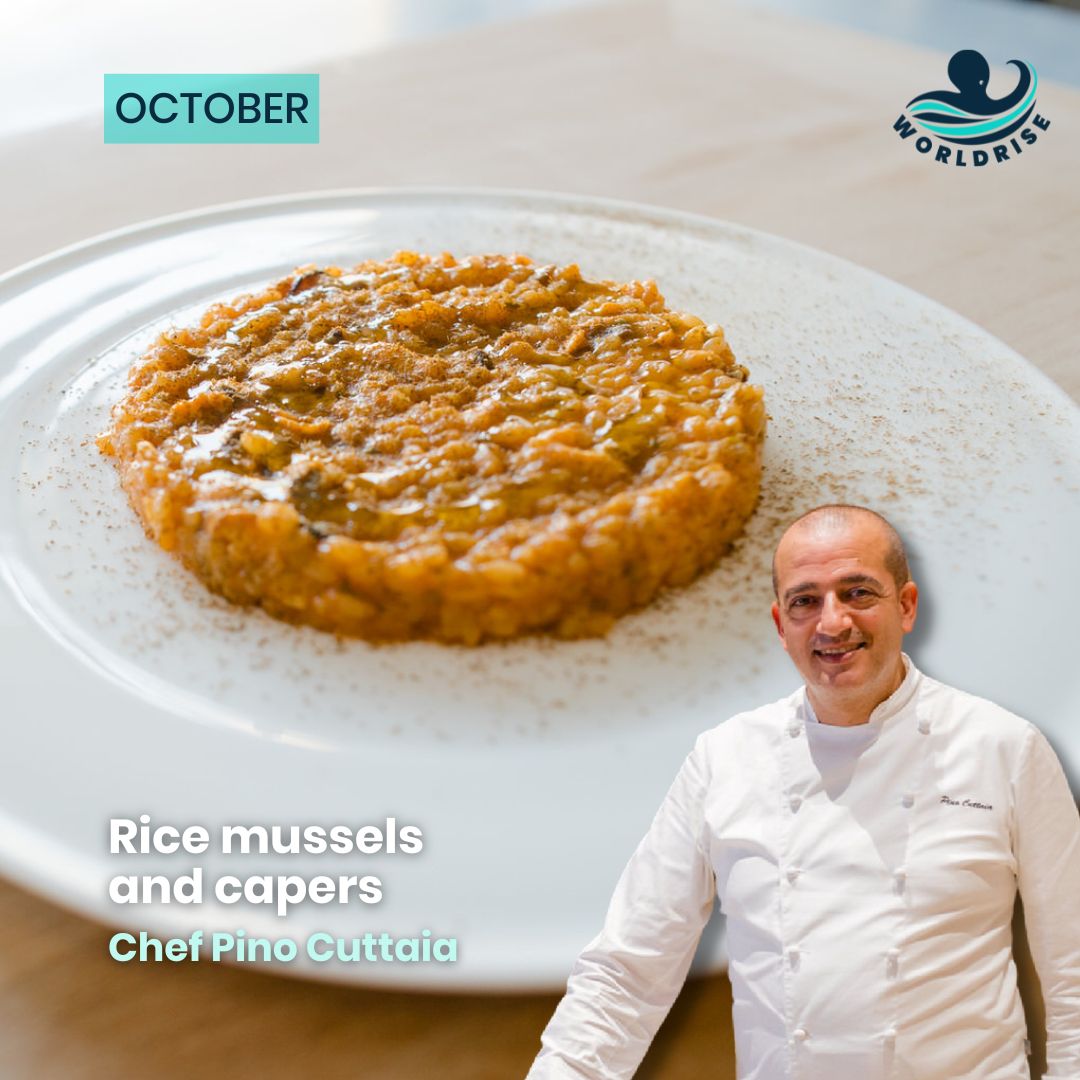
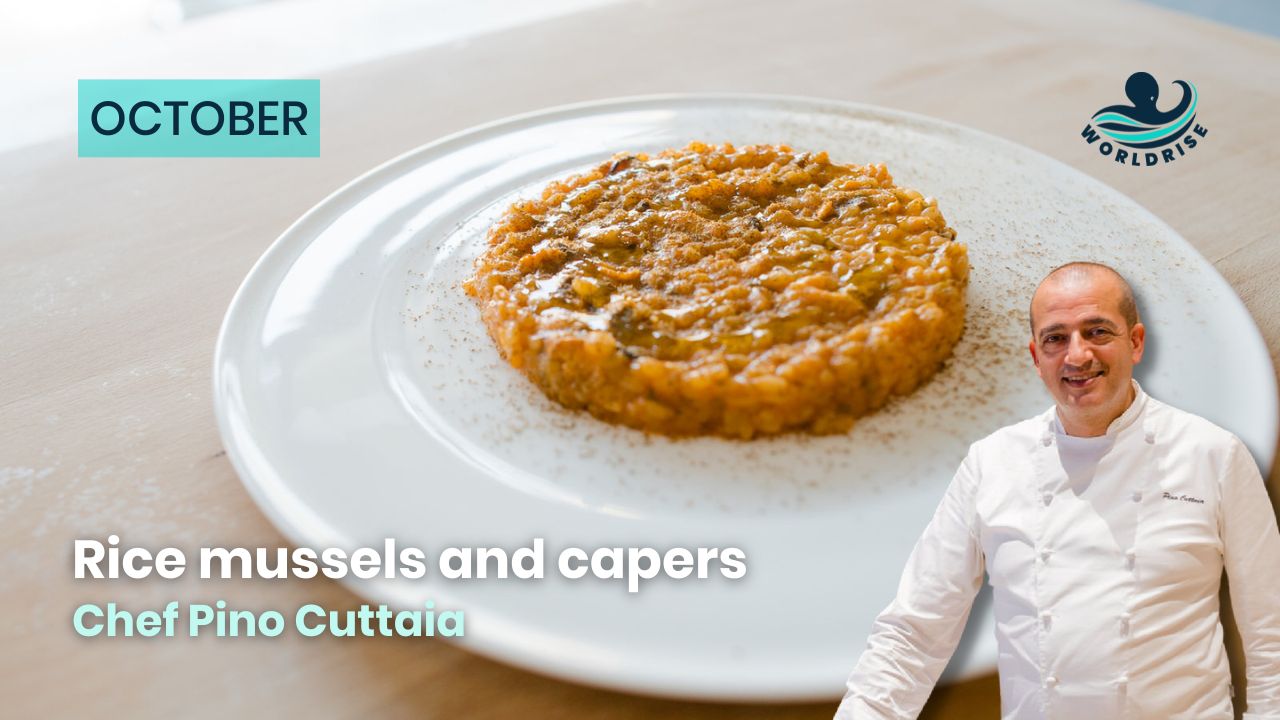
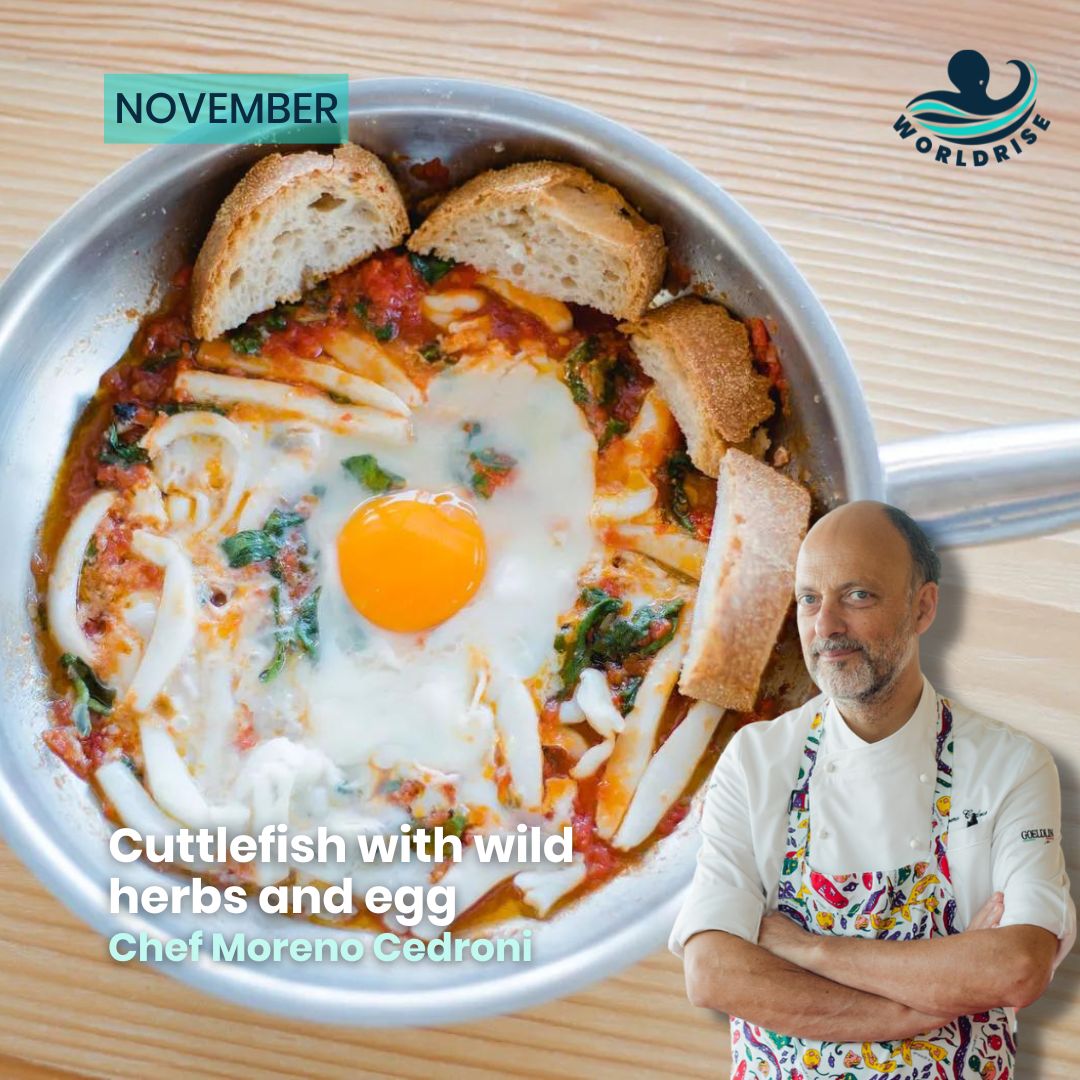
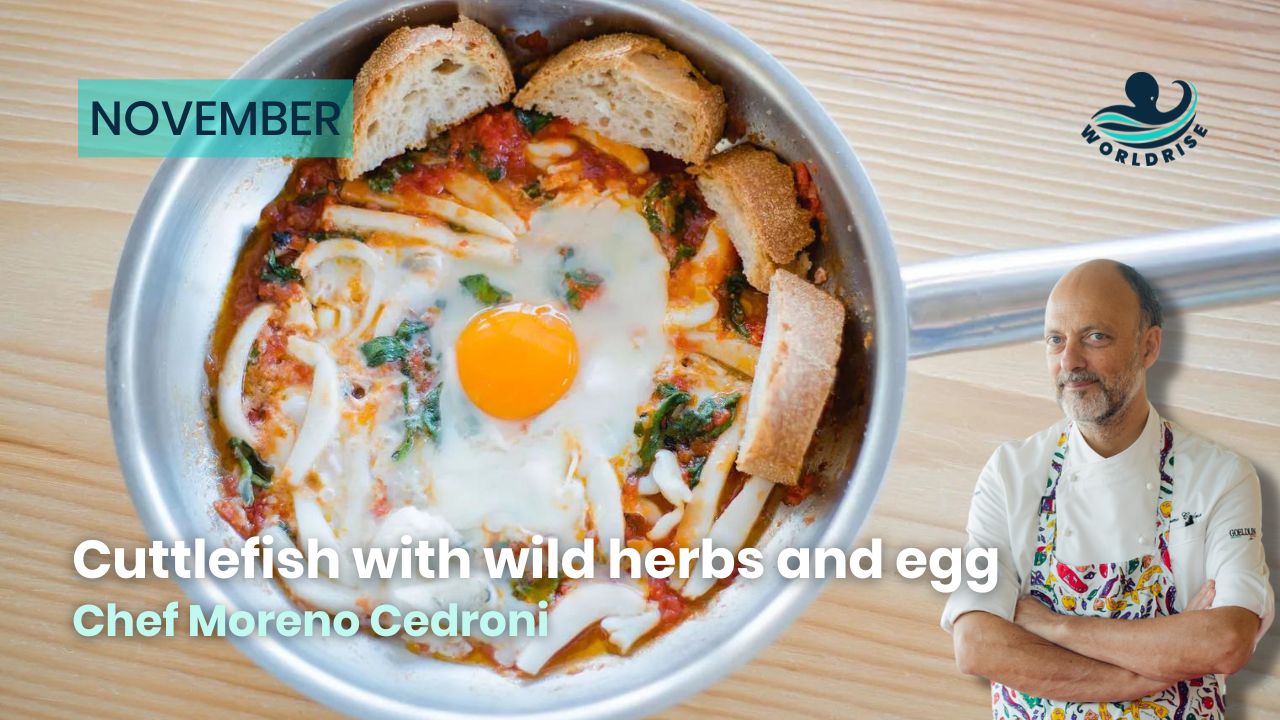
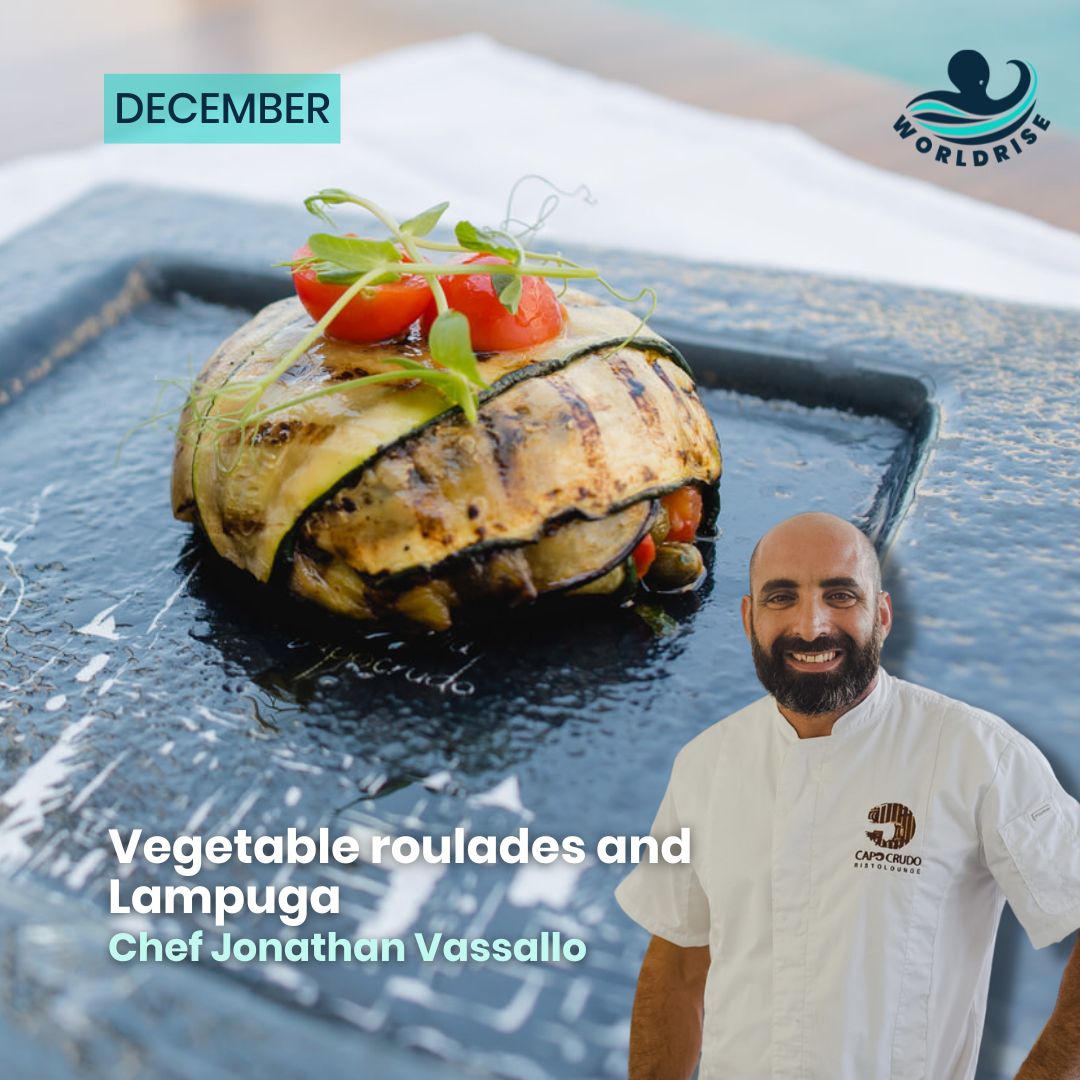
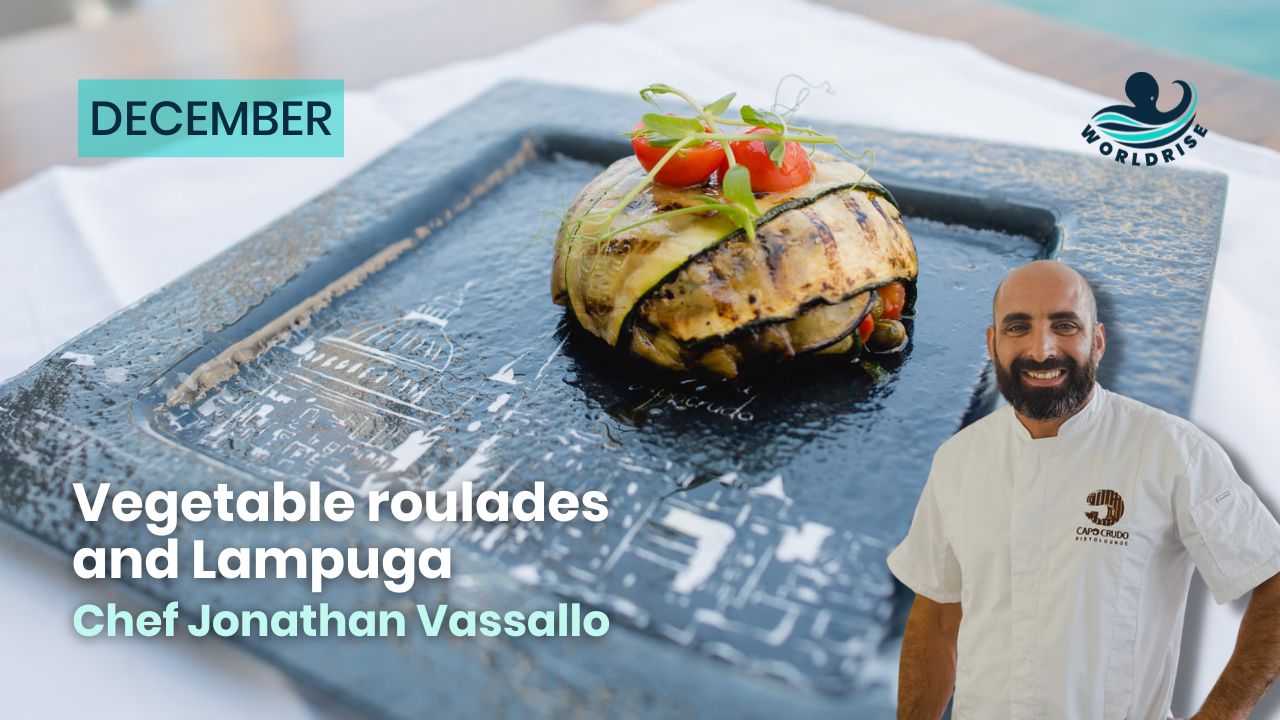
We also involved 6 international starred chefs, who created 12 different recipes each dedicated to one of the species in the guide.
Finally, we aim to introduce the identified species to the consumer, directly on the table, by involving a network of places that specialize in seafood gastronomy and are interested in pursuing a sustainable seafood ethic in the kitchen of their restaurants as well.
The common mullet (Mugil cephalus) is a catadromous species, meaning it reproduces in the open sea but then lives for most of the year in brackish coastal waters. Spawning takes place in winter in fact since its flesh is fatter during the spawning period, it is easier to find in markets during this season. This species is mainly caught by gill nets (i.e., fixed nets) or seines from the beach. To reduce the risk of consuming spawning individuals, it is recommended to buy the product from these coastal fishing gears.
The murmora (Lithognatus mormoris) is a typical representative of the forgotten species despite being considered a quality fish. This species reproduces in the spring, so it is recommended to be eaten in the winter season, although it can be found in markets throughout the year. Juveniles grow under the coast protected by Posidonia meadows, while adults live mainly in deep water. They are caught using gill nets such as trammel nets.
Mackerel (Scomber scomber) is a very common species in both Mediterranean and northern waters and is distributed at all depths up to 200 m. It is mainly found in the open sea during the winter spawning period, while it moves to the coastal environment at the end of spawning. It is fished with pelagic trawl in the open sea, but also with gill nets and lampare by artisanal fishermen in the coastal environment.
The four-eyed turbot (Lepidorhombus boscii) is a flatfish that lives in contact with the seafloor, in fact the main catching tools are trawls operating at high depths (over 100 m). This species reaches a maximum size of 50 cm and matures on average around 24 cm, spawning in spring until April. As it has always been a species fished as an accessory, its commercial value is not among the highest, but this also determines that knowledge of the status of its populations is more limited.
The lookout (Oblada melanura) is a species that lives in midwater: in more pelagic environments during autumn and winter, while in spring it moves to coastal environments for spawning, which ends in early summer. It is easily caught throughout the year with artisanal gear such as trolling lines, small inshore seines, and trammel nets, but it is recommended to avoid consumption during the spawning period.
Several species are generically identified as “squid,” among which the most represented in the market are Illex condeitti and Todaropsis eblanae. These species reproduce throughout the year with seasonal peaks of which summer is the most pronounced. They are mainly found as bycatch in deep trawl fisheries (even over 100 m), but also as a product of artisanal gear such as trammel nets and gillnets. Like other cephalopods, they are species that have an average annual life span during which they are characterized by large variations in population abundance.
Mostella (Phycis blennoides) lives at high depths and is in fact commonly caught by deep trawling as an incidental species in the red and purple shrimp and Norway lobster fisheries. More rarely it can be caught by longlines and gillnets. Due to its low commercial value, this species is not always landed, limiting its possibility of consumption. The spawning season seems to be mainly in the summer period; females are considered mature when they reach about 50 cm in length.
The gurnard (Chelidonichtys lucerna) is a demersal species, living close to the seabed, especially in the juvenile stage. It is at this growth stage that it is caught mainly in trawling, while other fishing gear, such as longlines, trammel nets and gillnets, catch mainly adults. The spawning period of this species varies between autumn-winter in the Adriatic Sea and winter and spring in the Tyrrhenian Sea. Females mature around 25 cm in length.
Skipjack tuna (Euthynnus alletteratus) is caught by both longlines and purse seines, in professional fisheries, and by lines and gillnets, in artisanal fisheries. The different gear types reflect the distribution of this species: mainly pelagic and occasionally coastal environments. Spawning occurs from the late spring period, mostly in summer. Given the similarities, it is important to be careful and not confuse it with the Palamita and the Tombarello.
The mussel (Mitylus galloprovincialis) in Italy is obtained exclusively from mussel farming. This practice provides the animal with a substrate for growth without altering its high and rapid reproductive capacity, requiring neither feed nor antibiotics because the mussel is a filter-feeding organism, so it has a very low environmental impact. The best time to consume mussels is in late summer and early fall, when the animal reaches its peak quality, before the reproductive peaks that coincide with the drop in temperature.
The cuttlefish (Sepia officinalis) in Italy is fished mainly in the spring period with gill gear and pots, and in the fall-winter period with trawls. It has a fast life cycle, living on average two years reproducing after the first year of age with peaks in spring and summer. Its abundance varies greatly each year complicating its management but making it potentially more resistant to exploitation by fishing.
The dolphinfish (Coryphaena hippurus) spawns in early summer and is caught between July and December; consequently, it is recommended to consume it in the fall. Mature adults can reach up to 2 m in length and are found among the bycatch of bluefin tuna or swordfish, but juveniles (around 50 cm) caught via floating bodies (FADs) and purse seines account for the bulk of the catch. The complex reproductive biology and spatial dynamics of dolphinfish complicate their assessment and management.
• I Canovacci -cucina&bottega- Via dei Macelli di Soziglia, 60, 16123 Genova GE
• I Cuochi Vico del Fieno, 18, 16123 Genova GE
• Ristorante Migone Piazza di S. Matteo, 4/6/R, 16100 Genova GE
• Ombre Rosse Cibo Vino e Libri Vico degli Indoratori, 20/22-24 R, 16123 Genova GE (chiuso definitivamente)
• Ostaia De Banchi Vico Denegri, 17 r, 16124 Genova GE
• Gaia Vini & Cucina Vico dell’Argento, 13, 16124 Genova GE
• Soul Kitchen Piazza dell’Agnello, 41 r, 16124 Genova GE
• La Taverna di Colombo Vico della Scienza, 16123 Genova GE (chiuso definitivamente)
• Trattoria dell’Acciughetta Piazza Sant’Elena, 16126 Genova GE
The SEAstainable Seafood Guide project was carried out in collaboration with Cookin’Med, now Nnumari, thanks to the support of IRINOX SpA e Ocean Family Foundation, eith contributions from starred chefs of the highest caliber!
The project, developed by the Experimental Center for Habitat Conservation (CESTHA) in collaboration with Worldrise, values fishermen who use fishing gear to avoid the bycatch of elasmobranchs such as sharks, stingrays and rays. Research and development of new fishing techniques are conducted together with fishermen, and to date, cuttlefish, mantis shrimp, rapane, and blue crabs are already being fished sustainably.
Click to learn more about CESTHA!
Being an informed consumer is the first step in protecting the sea and its products! Check out our free resources:
Experience firsthand the forgotten wealth of the Mediterranean by cooking the “neglected” fish nearest to you! For Liguria, we have compiled Experience firsthand the forgotten wealth of the Mediterranean by cooking the “neglected” fish nearest to you! For Liguria, we have compiled seasonal guides, as part of the project, as part of the project SEAstema Liguria.
Biodiversity, Artivism and Empowerment to effectively protect Italian seas
Every drop counts and together we can make a sea of difference for the Blue Planet!
English